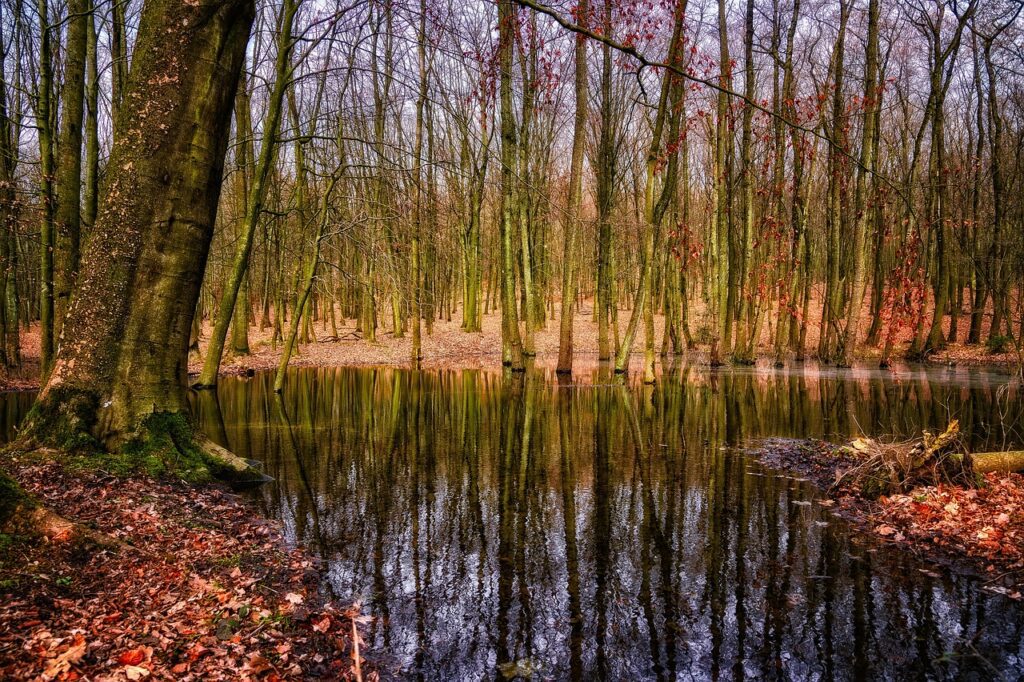
The Largest Blackwater Swamp
As you explore the vast expanse of the largest blackwater swamp, you’re stepping into a world where history and nature intertwine.
Here, the shadows of ancient cypress trees cast long over waters steeped in history, once navigated by indigenous peoples and early European settlers.
This swamp isn’t just a refuge for a diverse range of wildlife and unique vegetation; it’s a living museum, echoing stories of survival and adaptation.
But what happens when this delicate ecosystem faces modern threats?
Consider the impact of environmental changes and human activity on this irreplaceable natural heritage, and why preserving it matters more than you might think.
Origins and Historical Significance
The origins of the largest blackwater swamp, steeped in centuries of history, reveal a unique ecosystem shaped by natural forces and human influence.
You’ll find that forming this vast wetland wasn’t just an act of nature.
Over millennia, rivers carried tannin-rich sediments from surrounding forests, staining the waters dark and creating the characteristic blackwater.
But it’s not just nature’s handiwork; early Indigenous peoples also played a role.
By setting controlled fires, they managed the forested areas around the swamp, which helped maintain the balance of species and prevented larger wildfires.
As you delve deeper, you’ll discover that the swamp’s strategic location attracted European settlers in the colonial period.
They sought its resources and navigable waters, yet the harsh environment proved challenging.
Over time, various battles and historical events occurred around these murky waters, embedding the swamp into the nation’s history.
Despite these human interventions, the swamp has largely resisted extensive development, remaining a natural relic.
This resistance has preserved not only the ecological but also the historical integrity of the area, offering you a glimpse into both the past environmental shifts and human endeavors that have shaped this landscape.
Wildlife and Biodiversity
Diving into the swamp’s wildlife and biodiversity, you’ll discover a rich tapestry of species uniquely adapted to this shadowy environment.
You might first notice the abundance of amphibians.
Frogs, with their varied calls, dominate the soundscape, each species using its unique ribbit or croak to communicate.
Salamanders slither silently through the underbrush, elusive yet vital to the ecosystem’s nutrient cycle.
Birdwatchers, you’re in for a treat.
The swamp hosts an array of avian species, from the stealthy herons that stalk their prey in shallow waters to the vibrant kingfishers that dive spectacularly for fish.
Each bird plays a role in maintaining the balance of this aquatic habitat.
Don’t overlook the mammals.
Otters twist and weave through the water with playful agility, while raccoons forage along the muddy banks.
These creatures aren’t just surviving; they’re thriving, each adapted to the challenges of swamp life.
In the deeper waters, you’ll find reptiles that are both fascinating and formidable.
Alligators lurk beneath the surface, their eyes just above the waterline, watching.
Snakes slither through the water, expertly navigating between land and liquid.
This ecosystem, teeming with life, offers endless opportunities for discovery and appreciation.
Plant Life and Vegetation
While exploring the swamp’s animals, don’t forget to look around at the diverse plant life that thrives in this watery world in the Okefenokee Swamp.
.
You’ll find a mesmerizing array of vegetation, each uniquely adapted to the swampy conditions.
Towering cypress trees with their distinctive knobby knees dominate the landscape, providing critical habitat for birds and climbing plants.
Their wide, fluted trunks and sprawling root systems aren’t just a sight to behold but also vital for water filtration and bank stabilization.
Drifting your gaze lower, you’ll notice the lush undergrowth filled with ferns and palmettos.
The ferns thrive in the shadowy areas, their delicate fronds waving gently in the humid air.
Meanwhile, the tough, fan-shaped leaves of palmettos form thick underbrush, offering shelter and food to countless swamp creatures.
Amidst these larger plants, don’t miss the smaller, yet equally important, species like the sundew.
This tiny carnivorous plant captures insects with its sticky, dew-covered leaves, a crucial adaptation for survival in nutrient-poor soils.
Each plant in this ecosystem plays a role, from the towering trees to the smallest of carnivores, creating a complex, interwoven community that’s a marvel of natural engineering.
Conservation Efforts and Challenges
Amidst the lush biodiversity, conservation efforts are crucial to counter the pressures of pollution, habitat loss, and climate change affecting the swamp.
You’re at the heart of these initiatives, with a role in supporting sustainable practices that protect the unique flora and fauna of this ecosystem.
Restoration projects focus on re-establishing native vegetation and controlling invasive species that threaten the natural balance.
Water quality improvement is another major challenge.
Efforts here include monitoring pollution sources and enhancing water treatment facilities to reduce the impact of contaminants.
These actions help maintain the health of the swamp’s blackwater, crucial for the survival of many aquatic species.
Conservation isn’t just about immediate actions; it’s also about planning for the future.
Climate change poses a significant threat through increased temperatures and altered rainfall patterns, potentially transforming the swamp’s landscape.
Your support for research into these changes and advocacy for strong environmental policies is essential.
The challenges are significant, and the path isn’t always clear, but your involvement in community education and funding drives can make a real difference.
By understanding and participating in these efforts, you’re contributing to the preservation of a vital natural treasure.
Visitor Experiences and Activities
As you explore the largest blackwater swamp, numerous activities await that immerse you in its serene and mysterious beauty.
You’ll find yourself paddling through winding waterways, where ancient cypress trees cast their reflections on the dark, tannin-rich waters.
It’s a perfect opportunity to disconnect and soak in the quiet atmosphere, only disturbed by the occasional splash of a jumping fish or the call of a distant bird.
Don’t miss the guided tours offered at dawn and dusk; they’re magical times when wildlife is most active.
You might spot deer coming to the water’s edge or hear owls hooting in the twilight.
For a more hands-on experience, consider participating in a photography workshop.
The unique landscape offers endless opportunities to capture stunning images of flora and fauna.
Hiking along the swamp’s nature trails is a must.
You’ll traverse raised boardwalks that allow you to delve deep into the heart of the swamp without getting your feet wet.
Each turn might reveal something new: a rare orchid blooming, a curious turtle, or even an alligator sunning itself.
Remember to stay on the marked paths and respect the delicate ecosystem around you.
As you explore the Largest Blackwater Swamp, you’ll be stepping into a rich tapestry of history and nature.
Revel in the lush vegetation and vibrant wildlife that call this place home.
Your participation in guided tours and photography workshops not only enriches your understanding but also supports vital conservation efforts.
So, paddle through these serene waters, capture the beauty through your lens, and become part of the ongoing story of preservation and appreciation in this unique ecosystem.