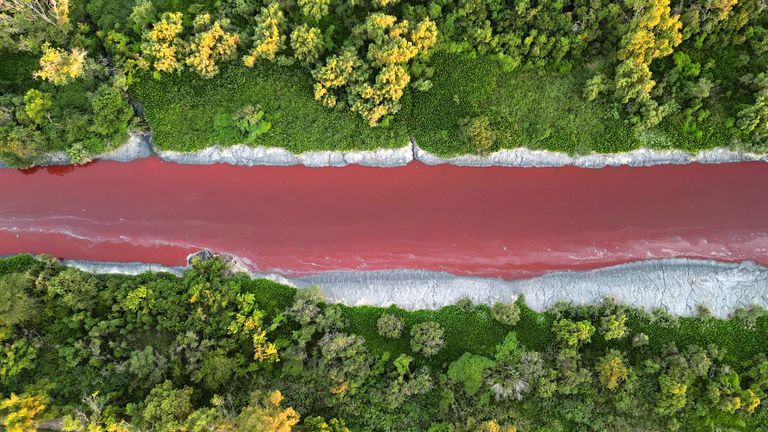
Water Turning Red in Rivers
You might have noticed rivers turning red, and this raises some important questions about water turning red in rivers.
What causes this striking color change? Is it a natural occurrence or a sign of pollution?
Understanding the factors behind this phenomenon is crucial for both the environment and public health.
As you explore the various causes, you’ll uncover surprising connections and implications that could affect you directly.
What do you think is really happening beneath the surface?
Understanding the Causes of Red Water
When you notice rivers turning red, it can be alarming, but understanding the causes helps put your mind at ease.
Often, this unusual coloration results from natural phenomena, such as sediment stirred up by heavy rainfall or flooding.
Iron-rich minerals can also oxidize, giving the water a reddish tint.
In some cases, industrial runoff containing red dyes or waste can lead to discolored water.
Additionally, certain fish species can release pigments when stressed, further contributing to the hue.
While it’s crucial to monitor these changes, they don’t always indicate severe pollution.
Always check local advisories to stay informed about water quality and safety.
Knowing these causes can help you feel more secure about the rivers you love.
The Role of Algae Blooms
In addition to natural sediment and industrial runoff, algae blooms play a significant role in rivers turning red.
When nutrients like nitrogen and phosphorus enter the water, they create an ideal environment for algae to thrive.
You might notice these blooms as thick green mats or vibrant red patches on the water’s surface.
While some algae are harmless, certain types produce toxins that can affect aquatic life and human health.
As the blooms grow, they can block sunlight and deplete oxygen levels, leading to dead zones in the water.
You may find that these red waters not only look alarming but also signal a shift in the ecosystem.
Understanding algae’s role helps you grasp the broader implications for river health and water quality.
Impact of Pollution on River Ecosystems
Although many mightn’t realize it, pollution significantly disrupts river ecosystems.
When you think about pollution, you might picture plastic bottles or oil spills, but the effects reach far beyond that.
Contaminants like heavy metals and pesticides can accumulate in water, harming aquatic life.
Fish and other organisms struggle to survive in toxic environments, leading to reduced biodiversity.
You might notice fewer fish species or declining populations of insects and plants, which play crucial roles in the food web.
Additionally, polluted rivers can lead to unsafe drinking water for communities relying on these sources.
Recognizing how pollution impacts these ecosystems is vital for fostering a healthier environment, promoting conservation efforts, and ensuring the sustainability of our precious water resources.
Seasonal Changes and Natural Phenomena
As seasons shift, rivers often undergo remarkable transformations that can affect their appearance and health.
In spring, melting snow and heavy rains may lead to increased sediment runoff, making the water appear murky.
Summer brings warmer temperatures, which can encourage algal blooms that sometimes turn the water a striking red or green.
As fall approaches, decaying leaves can tint the water with rich colors, while winter’s cold can slow down water flow, concentrating pollutants.
These seasonal changes can reveal the dynamic relationship between rivers and their environment.
Observing these transformations helps you appreciate the natural cycles that shape river ecosystems, reminding you of the delicate balance necessary for maintaining their health throughout the year.
Implications for Human Health and Safety
When rivers turn red, it’s not just a striking visual; it can signal serious implications for human health and safety.
You might be exposed to harmful toxins and pathogens that can arise from algal blooms or industrial runoff.
Consuming contaminated water or fish can lead to serious illnesses, including gastrointestinal issues or neurological damage.
If you live near affected areas, be cautious about recreational activities like swimming or fishing.
It’s vital to stay informed through local advisories and avoid contact with discolored water. In severe cases, the water mightn’t be safe for agricultural use either, impacting food safety.
Always prioritize your health by being aware of environmental changes and their potential risks.
In conclusion, when you see rivers turning red, it’s crucial to understand the underlying causes.
Whether it’s due to harmful algal blooms or pollution, these changes can pose risks to both the ecosystem and your health.
Stay informed and cautious, especially during recreational activities near affected waters.
Monitoring water quality is essential to ensure safety and protect the environment.
By being aware, you can contribute to the efforts needed to address these alarming changes in our rivers.