Sea Levels Rising
Sea Levels Rising
As you gaze out at the vast expanse of the ocean, have you ever considered the subtle yet profound changes occurring beneath the surface with Sea Levels Rising?
The issue of rising sea levels is not just a distant concern for future generations; it is a pressing reality that demands attention now.
The implications of this phenomenon extend far beyond the shores, impacting ecosystems, economies, and the very fabric of coastal life.
How will these rising waters reshape our world, and what can be done to confront this challenge head-on?
Global Impact of Rising Sea Levels
Rising sea levels are threatening coastal communities worldwide.
As a resident of these vulnerable areas, you may already be witnessing the effects of this phenomenon.
From increased flooding during high tides to erosion of beaches and shorelines, the global impact of rising sea levels is undeniable.
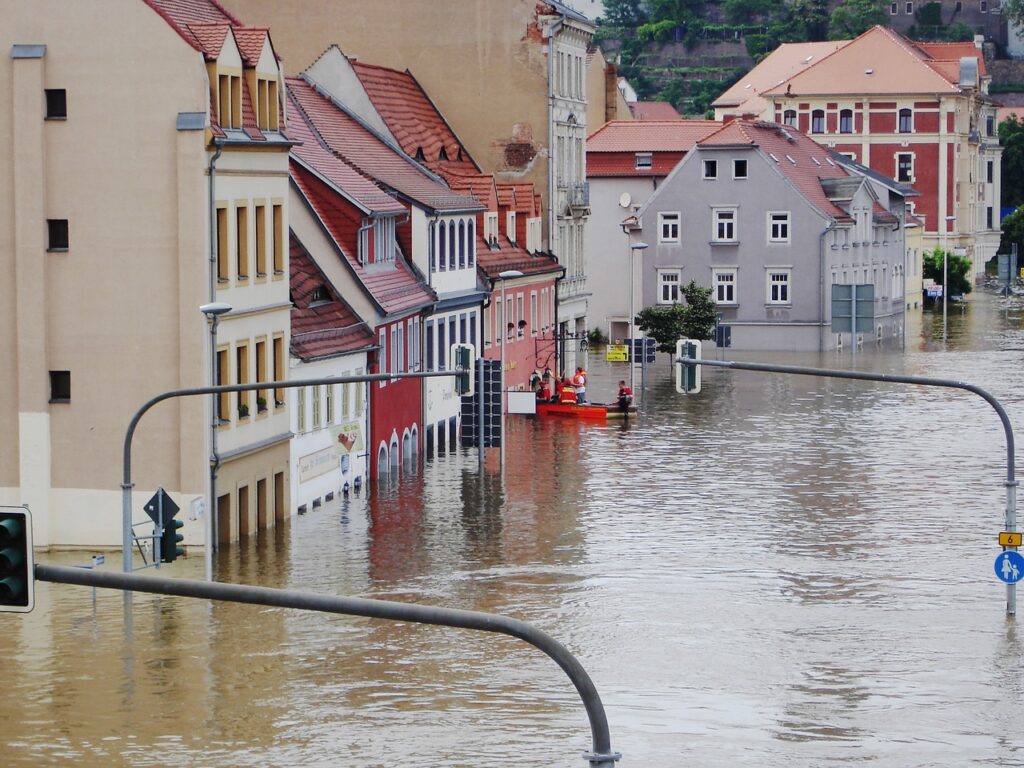
In many coastal regions, infrastructure such as roads, homes, and businesses are at risk of being submerged or damaged by the encroaching waters.
As a result, communities are facing difficult decisions about how to adapt and protect themselves from the ongoing threat.
Furthermore, the rise in sea levels isn’t only putting physical structures at risk but also endangering ecosystems and wildlife that rely on coastal habitats.
As someone who values the environment, you may be concerned about the long-term consequences of these changes on marine life and biodiversity.
Coastal communities must come together and implement solutions to mitigate the impact of rising sea levels, ensuring the safety and sustainability of these areas for future generations.
Causes of Sea Level Rise
Sea level rise is primarily driven by factors such as the thermal expansion of seawater and the melting of glaciers and ice sheets.
When the Earth’s temperature rises, the heat is absorbed by the oceans, causing the water to expand.
This thermal expansion contributes significantly to the overall increase in sea levels.
Additionally, the melting of glaciers and ice sheets, particularly in Greenland and Antarctica, adds more water to the oceans.
The accelerated melting of these icy giants is a direct result of climate change and human activities that release greenhouse gases into the atmosphere.
As glaciers and ice sheets continue to melt at an alarming rate, more water flows into the oceans, further raising sea levels.
This ongoing process poses a significant threat to coastal regions worldwide.
Understanding these fundamental causes of sea level rise is crucial in addressing the challenges posed by the changing climate.
By reducing carbon emissions and implementing sustainable practices, we can work towards mitigating the impacts of rising sea levels on our planet.
Coastal Vulnerability to Sea Level Rise
With coastal regions facing increasing risks from sea level rise, understanding the vulnerabilities is essential for effective adaptation strategies.
Coastal vulnerability to sea level rise is influenced by various factors such as geomorphology, population density, infrastructure development, and natural ecosystems.
Low-lying areas are particularly susceptible to inundation and erosion, putting communities and critical infrastructure at risk.
Urbanized coastlines with dense populations and extensive construction are also highly vulnerable, facing potential economic losses and displacement of residents.
Moreover, coastal ecosystems like mangroves and coral reefs, which act as natural barriers against storm surges and erosion, are at risk of degradation due to rising sea levels.
This loss of natural protection further exacerbates the vulnerability of coastal areas.
Understanding these vulnerabilities can help in prioritizing areas for adaptation measures such as beach nourishment, building seawalls, restoring natural habitats, and implementing zoning regulations to limit development in high-risk zones.
Mitigation Strategies for Rising Seas
What effective strategies can be implemented to mitigate the impact of rising sea levels on coastal communities?
Several key mitigation strategies can help address the challenges posed by rising seas.
One approach is the implementation of coastal defense measures such as building seawalls, levees, and dikes to protect against storm surges and flooding.
These physical barriers can help reduce the risk of coastal erosion and property damage.
Another important strategy is the restoration and preservation of natural coastal habitats like mangroves, wetlands, and dunes.
These ecosystems act as natural barriers, absorbing wave energy and reducing the impacts of flooding.
By protecting and restoring these habitats, coastal communities can enhance their resilience to rising sea levels.
Additionally, implementing land-use planning and zoning regulations can help minimize development in high-risk coastal areas.
By avoiding construction in vulnerable zones, communities can reduce exposure to flood risks and protect valuable coastal ecosystems.
Future Outlook on Sea Level Rise
Looking ahead, the projected increase in sea levels poses significant challenges for coastal communities worldwide.
As global temperatures continue to rise due to climate change, the polar ice caps and glaciers are melting at accelerated rates, leading to a rise in sea levels.
Scientists predict that by 2100, sea levels could increase by up to several feet, threatening low-lying coastal areas with more frequent and severe flooding events.
Coastal cities like Miami, New York City, and Tokyo face the risk of extensive damage to infrastructure, increased saltwater intrusion into freshwater sources, and displacement of millions of people.
The economic impact of rising sea levels is also a concern, with coastal property values at risk and costs associated with rebuilding and implementing protective measures skyrocketing.
Adaptation strategies such as building seawalls, restoring wetlands, and implementing zoning regulations are crucial for mitigating the impacts of sea level rise.
However, without global cooperation and swift action to reduce greenhouse gas emissions, the future looks grim for coastal regions around the world.
As you reflect on the global impact of rising sea levels, remember that urgent action is needed to address the causes and vulnerabilities of coastal communities.
By implementing effective mitigation strategies and fostering global cooperation, we can work towards a more sustainable future.
Stay informed, stay engaged, and advocate for measures that protect our coastal areas from the escalating risks of sea level rise.
Together, we can make a difference in safeguarding our world for future generations.