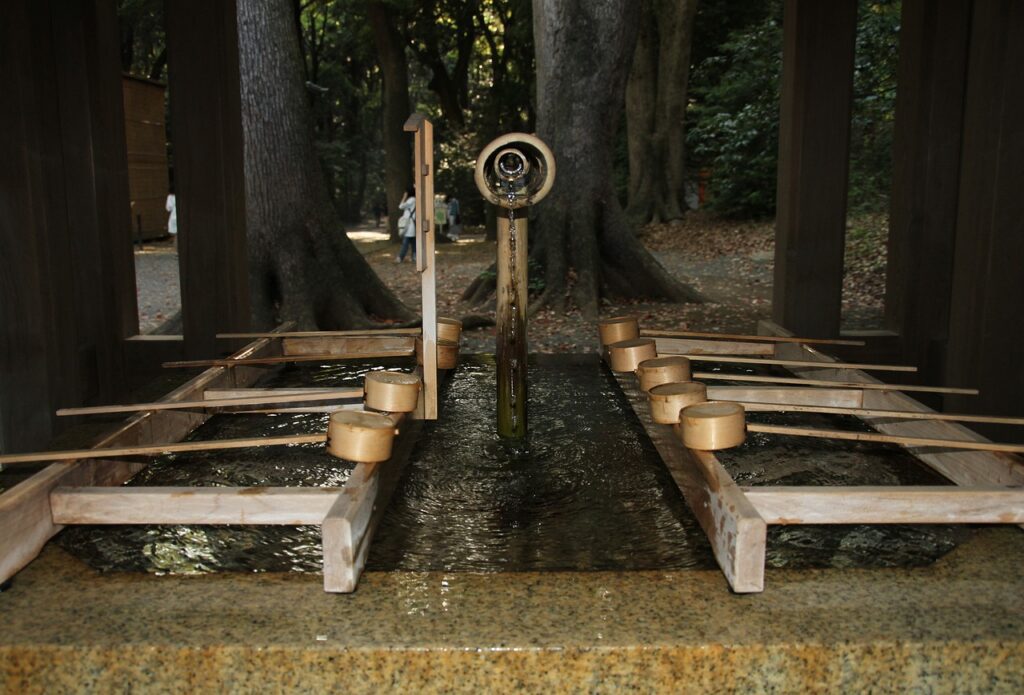
Purification of Water
When it comes to purifying water, the methods employed are crucial for ensuring safe consumption.
You may be surprised to learn about the various techniques used to rid water of harmful impurities, making it suitable for daily use.
From traditional processes like filtration to more advanced methods such as UV treatment, each plays a significant role in the purification journey.
Understanding these purification technologies can offer insights into how we safeguard our water supply and protect our health.
Let’s explore the intricate world of water purification and how it impacts our daily lives.
Importance of Water Purification
Ensuring clean water through purification is crucial for maintaining public health and preventing waterborne diseases.
By purifying water, harmful contaminants like bacteria, viruses, parasites, and chemicals are removed, making it safe for consumption and use.
Water purification systems play a vital role in safeguarding communities from the risks associated with contaminated water sources.
The process of water purification involves various techniques such as filtration, chlorination, distillation, and UV treatment.
These methods work together to eliminate impurities and ensure that the water meets quality standards set by regulatory bodies.
Without proper purification, water can carry dangerous pathogens that may lead to illnesses like cholera, typhoid, and hepatitis.
In addition to health benefits, water purification also enhances the taste, odor, and clarity of the water.
By removing pollutants and particles, purified water tastes fresher and cleaner, encouraging people to stay hydrated and consume an adequate amount of water daily.
Remember, investing in water purification is an investment in your well-being and the well-being of those around you.
Common Water Contaminants
Water purification systems are designed to eliminate a wide range of common water contaminants that pose health risks to consumers.
These contaminants include bacteria such as E. coli and Salmonella, which can cause severe gastrointestinal issues.
Viruses like norovirus and rotavirus are also common in water sources and can lead to illnesses such as diarrhea and vomiting.
Chemical contaminants like lead, arsenic, and mercury are often found in water supplies due to industrial runoff and old piping systems.
These substances can have serious long-term health effects, including neurological damage and organ failure.
Another common contaminant is pesticides, which leach into water sources from agricultural areas and can have harmful effects on the nervous system.
Lastly, sediment and debris can make water cloudy and unappealing.
While not always harmful on their own, they can provide a breeding ground for bacteria and other pathogens, making water unsafe to drink.
Water purification systems work to remove these contaminants, ensuring you have access to clean and safe drinking water.
Water Purification Technologies
To guarantee the safety of your drinking water, understanding various water purification technologies is vital.
There are several effective methods used to purify water and make it safe for consumption.
One common technology is filtration, which involves passing water through a physical barrier to remove impurities such as sediment, bacteria, and chemicals.
Another widely used technique is disinfection, where chemical agents like chlorine or ultraviolet light are used to kill harmful microorganisms present in the water.
Distillation is a process that involves boiling water and then collecting the steam to separate it from contaminants.
Reverse osmosis is a filtration method that uses pressure to force water through a membrane, removing impurities in the process.
Additionally, water purification tablets or drops can be used to kill bacteria and viruses in emergencies.
Steps in Water Purification
Understanding the sequential steps involved in water purification can help you appreciate the meticulous process of ensuring clean and safe drinking water.
The first step in water purification typically involves screening out large debris such as twigs and leaves.
Once the water is free of visible contaminants, it undergoes a process called coagulation where chemicals are added to clump together smaller particles.
This is followed by sedimentation, where the water sits undisturbed to allow these clumps to settle at the bottom.
Next, the water goes through filtration to remove the remaining impurities.
After filtration, disinfection takes place to kill any remaining bacteria and pathogens.
Chlorination is a common method of disinfection, although other techniques like UV treatment are also used.
Finally, the water is ready for distribution to homes and businesses.
Each of these steps plays a crucial role in ensuring that the water you drink is clean, safe, and free from harmful contaminants.
Benefits of Clean Water
Having access to clean water is essential for maintaining good health and well-being.
Clean water plays a crucial role in keeping your body hydrated, aiding digestion, and regulating body temperature.
When you drink clean water, you’re helping your organs function properly and promoting overall wellness.
Clean water also reduces the risk of waterborne diseases such as cholera, typhoid fever, and diarrhea.
By consuming clean water, you’re safeguarding yourself and your loved ones from these harmful illnesses.
Moreover, clean water helps in improving your immune system, enabling your body to fight off infections more effectively.
In addition to its health benefits, clean water also enhances the taste of food and beverages.
Whether you’re cooking a meal or brewing a cup of tea, using clean water can elevate the flavors and ensure a better culinary experience.
Furthermore, clean water supports proper hygiene practices, such as washing hands and maintaining cleanliness in your surroundings.
Embracing the benefits of clean water is a simple yet powerful way to prioritize your health and well-being.
In conclusion, purifying water is crucial for keeping communities safe and healthy.
By removing harmful contaminants, water purification systems play a vital role in preventing waterborne diseases and promoting overall well-being.
Clean water not only supports better digestion and immune system function but also helps maintain proper hygiene practices.
Ensuring access to clean water through effective purification methods is essential for the health and prosperity of all individuals.