Reclaimed Water
When you turn on the tap, do you ever think about where that water has been before it reaches your glass?
The concept of reclaimed water might make you pause and reconsider its potential.
Imagine a world where wastewater is transformed into a resource that not only conserves precious water supplies but also benefits the environment.
The journey of reclaimed water involves innovation, challenges, and a promising future.
Stay tuned to discover the transformative power of this often-overlooked solution.
Benefits of Reclaimed Water
The water offers numerous environmental and economic advantages for communities looking for sustainable water management practices.
By utilizing treated wastewater for irrigation, industrial processes, and even drinking water in some cases, communities can significantly reduce their demand for freshwater resources.
This conservation of freshwater helps alleviate stress on local water sources, especially in regions prone to droughts or water scarcity.
In addition to reducing the strain on freshwater sources, reclaimed water also helps minimize the amount of wastewater discharged into the environment.
By treating and reusing wastewater, communities can prevent pollution of rivers, lakes, and oceans, ultimately improving water quality and protecting aquatic ecosystems.
From an economic perspective, reclaimed water can lead to cost savings for communities by reducing the need to extract, treat, and distribute freshwater.
This can result in lower utility bills for residents and businesses, making reclaimed water an attractive option for sustainable water management.
Challenges in Reclaimed Water Use
Despite the benefits of the water, challenges exist in its use that must be addressed for effective implementation in communities.
One of the main challenges is public perception.
Some people may still have concerns about the safety of the water, even though advanced treatment processes make it suitable for various non-potable applications.
Education and outreach efforts are essential to overcome this challenge and build trust in reclaimed water systems.
Infrastructure is another key challenge.
Implementing a dual water distribution system for reclaimed water requires significant investment in separate pipelines and treatment facilities.
The cost of establishing and maintaining this infrastructure can be a barrier for some communities.
Regulatory hurdles also pose challenges.
Different regions have varying regulations regarding the use of reclaimed water, leading to inconsistencies and confusion.
Streamlining regulations and ensuring compliance with safety standards are crucial for widespread adoption.
Lastly, the maintenance of treatment systems is vital.
Proper operation and maintenance are necessary to ensure the quality of the water over time.
Training programs for operators and regular monitoring are essential to address this challenge effectively.
Applications in Various Industries
Utilizing the water finds diverse applications across various industries, showcasing its versatility and resourcefulness.
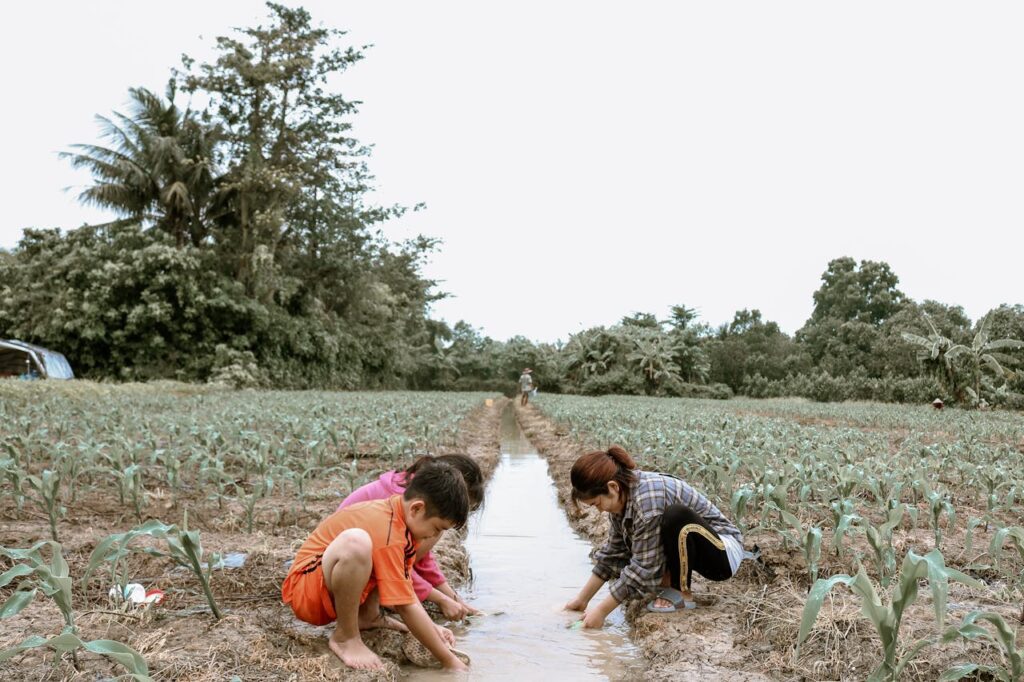
In agriculture, the water is a valuable resource for irrigation, providing a sustainable solution for watering crops and conserving freshwater supplies.
Industries such as manufacturing utilize reclaimed water in processes like cooling systems, reducing the demand for potable water and minimizing environmental impact.
Reclaimed water is also beneficial in the construction sector, where it can be used for dust control, concrete mixing, and soil compaction, contributing to efficient project management.
The hospitality industry incorporates the water for non-potable uses like landscaping, flushing toilets, and laundry facilities, promoting water conservation practices.
Additionally, municipalities utilize the water for street cleaning, firefighting, and park irrigation, enhancing the overall sustainability of urban areas.
Environmental Impact of Reclaimed Water
Using the water can significantly reduce the environmental impact of water usage in various industries.
By incorporating reclaimed water into your operations, you contribute to conservation efforts and lessen the strain on freshwater sources.
This sustainable practice helps in preserving natural ecosystems and supports biodiversity by reducing the amount of water withdrawn from rivers, lakes, and aquifers.
Furthermore, utilizing reclaimed water minimizes the discharge of treated wastewater into oceans or rivers, which can harm aquatic life and pollute the environment.
By reusing treated wastewater, you help prevent water pollution and protect the health of marine ecosystems.
This proactive approach also reduces energy consumption and greenhouse gas emissions associated with treating and transporting freshwater for industrial use.
Future Trends in Reclaimed Water
Looking ahead, the future of water involves innovative technologies and strategies that aim to enhance efficiency and expand its applications across various sectors.
One key trend is the advancement of decentralized treatment systems, allowing for on-site water reclamation tailored to specific needs.
These systems can be more cost-effective and flexible than traditional centralized approaches.
Furthermore, the integration of smart monitoring and control systems will play a significant role in optimizing reclaimed water processes.
Real-time data collection and analysis will enable proactive adjustments, ensuring optimal performance and resource utilization.
Another emerging trend is the use of advanced treatment technologies such as membrane bioreactors and reverse osmosis, which can produce higher-quality water suitable for a wider range of applications, including industrial processes and agricultural irrigation.
In conclusion, the water is a valuable resource that offers numerous benefits to the environment and society.
Despite challenges, its use in various industries can help reduce strain on freshwater sources, promote sustainability, and provide cost savings for communities.
By embracing water, we can contribute to water conservation efforts and protect our ecosystems for future generations.
Consider incorporating reclaimed water into your daily practices to support a more sustainable and water-conscious society.