Stop Polluting the Water
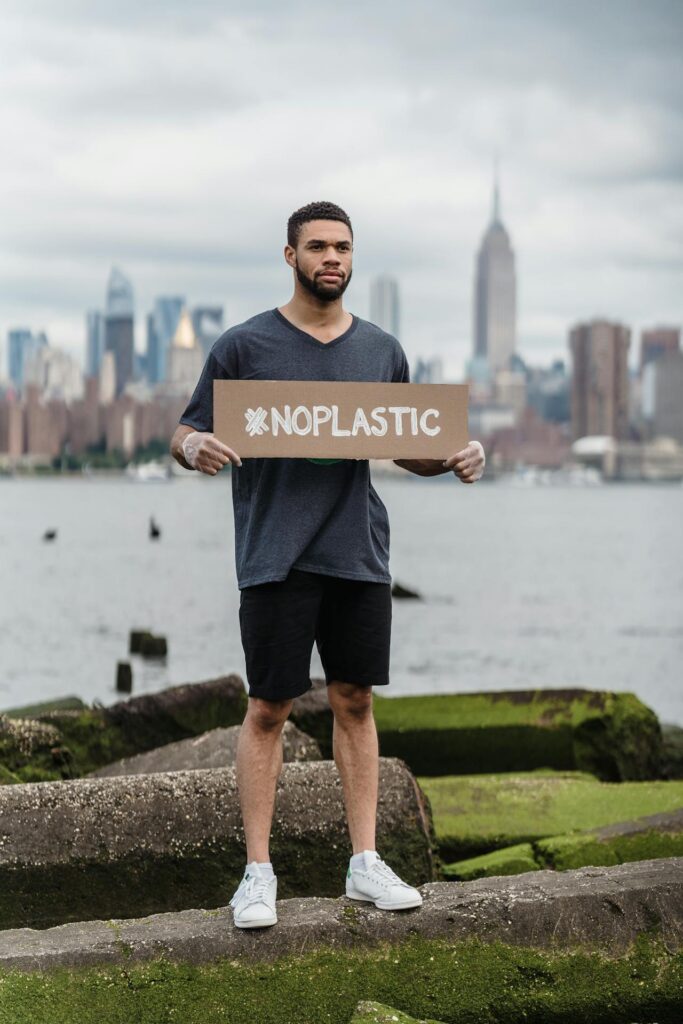
Stop Polluting the Water
You know the importance of clean water for sustaining life.
Every time you turn on the tap or take a sip from a stream, you rely on water that should be pure and uncontaminated.
But what if that water is tainted with pollutants harmful to both nature and ourselves?
The consequences of water pollution are far-reaching and demand immediate attention.
Let’s explore the ways we can collectively address this pressing issue and pave the way for a healthier, more sustainable future.
Sources of Water Pollution
When you consider the sources of water pollution, industrial waste and agricultural runoff are major contributors.
Industrial activities release various harmful substances into water bodies, such as heavy metals, chemicals, and toxins.
These pollutants can contaminate water sources, making them unsafe for both aquatic life and human consumption.
Proper disposal methods and stricter regulations on industries are crucial in reducing this type of pollution.
On the other hand, agricultural runoff occurs when excess fertilizers, pesticides, and manure from farms are washed into rivers and lakes.
These substances can lead to eutrophication, where excessive nutrients cause algal blooms that deplete oxygen levels in the water, harming aquatic organisms.
Implementing sustainable farming practices, such as precision irrigation and organic farming, can help minimize the runoff of harmful chemicals into water bodies.
Impact on Aquatic Ecosystems
Industrial waste and agricultural runoff have significant consequences on aquatic ecosystems, affecting the delicate balance of marine life and water quality.
When these pollutants enter water bodies, they can lead to a variety of harmful effects.
Excessive nutrients from agricultural runoff, such as nitrogen and phosphorus, can cause algal blooms.
These blooms deplete oxygen levels in the water, creating dead zones where marine life struggles to survive.
Additionally, industrial waste often contains toxic chemicals that can bioaccumulate aquatic organisms, leading to health issues throughout the food chain.
The impact of water pollution on aquatic ecosystems is far-reaching.
It can disrupt the reproductive cycles of fish and other marine organisms, leading to population declines.
The overall biodiversity of aquatic habitats can also be significantly reduced, as sensitive species may not be able to survive in polluted waters.
To protect aquatic ecosystems, it’s crucial to implement strict regulations on industrial discharges and agricultural practices.
By taking proactive measures to reduce water pollution, we can help preserve the health and balance of our aquatic environments for future generations.
Health Risks to Humans
Polluted water poses serious health risks to humans, impacting various aspects of well-being.
When you come into contact with contaminated water sources, you expose yourself to a range of potential illnesses.
Waterborne diseases such as cholera, typhoid, and hepatitis can spread rapidly through polluted water, leading to severe gastrointestinal issues, dehydration, and in extreme cases, even death.
Skin problems like rashes and infections are common when polluted water comes in contact with your skin during activities like swimming or bathing.
Additionally, consuming water tainted with harmful chemicals or heavy metals can cause long-term health problems such as organ damage, neurological issues, and an increased risk of cancer.
Furthermore, contaminated water can affect your mental well-being, causing stress and anxiety about the safety of the water you use for drinking, cooking, and hygiene.
It’s crucial to be aware of these health risks and take steps to protect yourself and your loved ones from the dangers of polluted water.
Sustainable Solutions
To address the health risks associated with polluted water, implementing sustainable solutions is vital for ensuring a healthier environment and population.
By adopting sustainable practices, such as investing in eco-friendly wastewater treatment facilities, promoting water conservation efforts, and supporting community-led clean-up initiatives, significant progress can be made in safeguarding water quality.
These solutions not only help in reducing pollutants and preserving water resources but also contribute to the overall well-being of ecosystems and human health.
Encouraging the use of green infrastructure, like rain gardens and permeable pavements, can aid in reducing stormwater runoff and preventing contaminants from entering water bodies.
Additionally, implementing stricter regulations on industrial waste disposal and promoting the use of natural filtration systems can play a crucial role in maintaining clean water sources for current and future generations.
Advocating for Stricter Regulations
Advocating for more stringent regulations is essential in ensuring the protection of our water resources and the health of our communities.
By pushing for stricter rules on pollutant discharges, you can help prevent harmful substances from contaminating our waterways.
Holding industries and individuals accountable for their waste disposal practices is crucial in safeguarding the quality of our drinking water and preserving aquatic ecosystems.
Encouraging government bodies to enforce tougher penalties for violations and to regularly monitor compliance can deter polluters and promote responsible behaviour.
Supporting initiatives that aim to reduce the use of harmful chemicals and promote sustainable practices is another way to advocate for stricter regulations.
By actively participating in public consultations, signing petitions, and contacting local representatives, you can voice your concerns and push for stronger environmental protection measures.
Remember, your advocacy can make a difference in shaping policies that prioritize the well-being of our water sources and communities.
Together, we can strive for a cleaner, healthier future.
We need to take action now to stop polluting the water.
By addressing sources of pollution and implementing sustainable solutions, we can protect aquatic ecosystems and human health.
Advocate for stricter regulations and get involved in community-led clean-up initiatives.
Together, we can ensure clean and safe water for all.
Stop Polluting the Water!