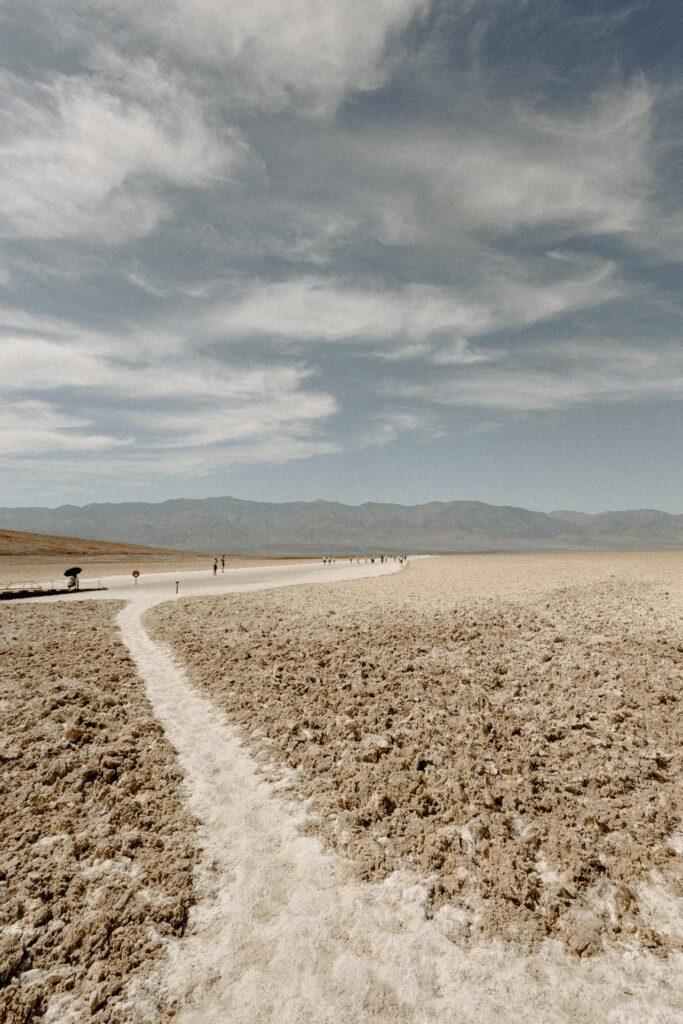
Lack of Rainfall Worldwide
You’ve likely noticed the alarming trend of declining rainfall worldwide for the Lack of Rainfall Worldwide.
This issue isn’t just a passing concern; it’s reshaping our landscapes, threatening food security, and straining water resources.
As you consider the implications, think about how this affects not only agriculture but entire ecosystems and communities.
The underlying causes are complex, and the solutions may surprise you.
So, what can be done to combat this pressing challenge?
Understanding the Causes of Reduced Rainfall
As climate change continues to alter weather patterns globally, it’s essential to understand the causes of reduced rainfall.
One major factor is the increased levels of greenhouse gases in the atmosphere, which trap heat and lead to rising temperatures.
Warmer air holds more moisture, but a significant shift in weather systems can cause this moisture to evaporate before it reaches the ground.
Deforestation also plays a critical role, as it disrupts local climates and reduces the natural transpiration process that contributes to precipitation.
Urbanization intensifies the heat island effect, further affecting local weather patterns.
Additionally, changing ocean temperatures influence atmospheric circulation, impacting where and how much rain falls.
Understanding these causes helps you grasp the complexities of our changing climate.
Impact on Agriculture and Food Security
Reduced rainfall significantly impacts agriculture and food security worldwide.
When you experience less rain, crops struggle to grow, leading to lower yields.
This affects not only farmers but also consumers who face rising food prices.
As water becomes scarce, you might notice more farmers switching to less water-intensive crops, which can limit diversity in your food supply.
Livestock also suffer, as they need reliable access to water and forage.
The nutritional quality of food can decline, putting vulnerable populations at greater risk.
Ultimately, reduced rainfall threatens food systems, making it harder for you to access affordable and nutritious food.
Adapting agricultural practices and investing in water-saving technologies is crucial to mitigate these effects on food security.
Consequences for Ecosystems and Biodiversity
The decline in rainfall doesn’t just threaten food security; it also wreaks havoc on ecosystems and biodiversity.
As water sources dry up, habitats face stress, pushing species to the brink.
You might notice plants wilting, unable to thrive without adequate moisture.
Animals struggle to find food and shelter, leading to shifts in migration patterns and increased competition for dwindling resources.
Pollinators, essential for many plants, suffer too, disrupting entire food webs.
When a species disappears, it can trigger a domino effect, impacting others that rely on it.
You’ll see diminished genetic diversity, making ecosystems less resilient to changes.
Ultimately, the loss of biodiversity threatens the stability of ecosystems, which are crucial for maintaining the balance of life on Earth.
Effects on Communities and Water Resources
While communities worldwide face increasing challenges from lack of rainfall, the effects on water resources are particularly alarming.
You might notice dwindling water supplies, leading to stricter conservation measures.
As reservoirs and rivers dry up, your community may struggle to meet basic needs like drinking water and sanitation.
Agriculture suffers too; crops can wither, and livestock may die, impacting food security and local economies.
With fewer resources available, you’ll likely see rising tensions over water allocation, causing conflicts among neighbors.
Additionally, local businesses dependent on water may face closures, leading to job losses.
These challenges can strain social structures, forcing communities to adapt rapidly or risk severe socio-economic consequences.
It’s crucial to recognize these impacts now to safeguard your future.
Innovative Solutions and Strategies for Mitigation
As communities grapple with dwindling water resources, innovative solutions and strategies for mitigation become vital.
You can start by promoting water conservation practices at home, like fixing leaks and using water-efficient appliances.
Rainwater harvesting systems can also capture precious rainfall, storing it for dry days.
Consider joining or supporting local initiatives that focus on sustainable landscaping, such as xeriscaping, which reduces irrigation needs.
Additionally, engaging in awareness campaigns about the importance of water stewardship can inspire others to take action.
Together, these strategies not only help conserve water but also build resilience against future drought challenges, ensuring a sustainable water supply for generations to come.
In conclusion, the global decline in rainfall is a pressing issue that demands your attention.
By understanding its causes and impacts, you can play a role in advocating for sustainable practices and innovative solutions.
Every action counts, whether it’s supporting reforestation efforts or conserving water in your daily life.
Together, we can combat the challenges posed by reduced rainfall, protect our ecosystems, and ensure food security for future generations.