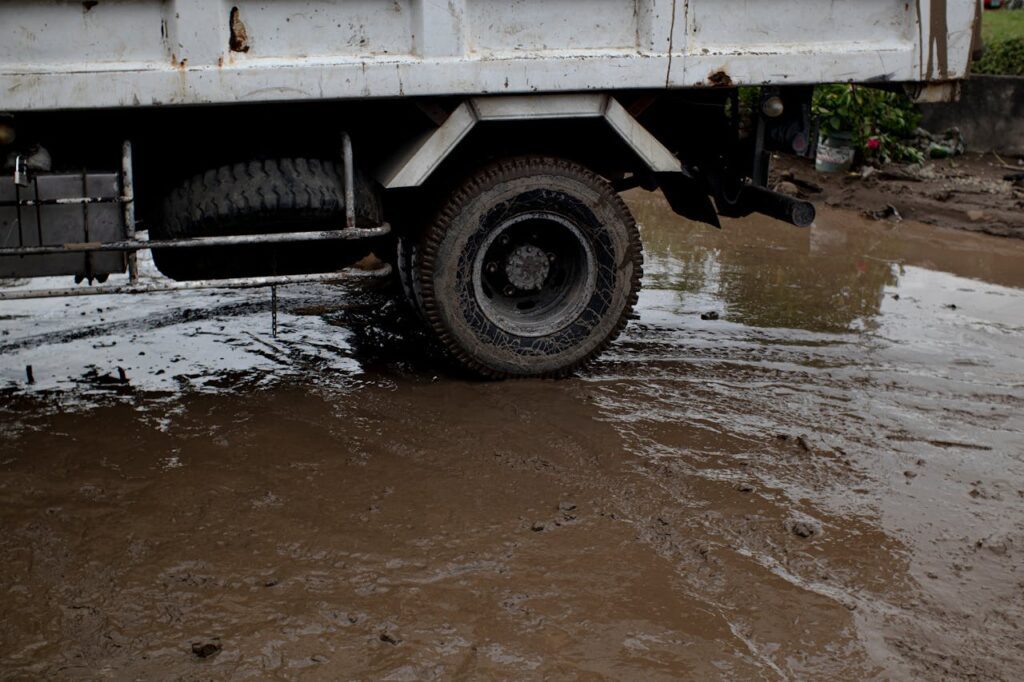
Community Affected by Toxic Black Sludge
You’ve likely heard about the toxic black sludge affecting a Colorado community, but do you know how it all began in this Community Affected by Toxic Black Sludge?
Decades of industrial pollution have led to serious environmental concerns.
This isn’t just an issue of aesthetics; it’s impacting health and wildlife in alarming ways.
As residents band together to confront these challenges, questions arise about what can be done to restore their home and prevent future crises.
What steps are they taking, and will it be enough?
Understanding the Origins of the Toxic Sludge
While you might think of sludge as a harmless byproduct, the toxic black sludge affecting the Colorado community has roots in industrial pollution and poor waste management practices.
Factories and mines have long released waste into nearby waterways, often ignoring regulations.
Over time, these practices accumulated harmful substances, leading to the current crisis.
You’re witnessing the consequences of decades of negligence as heavy metals and chemicals seep into the soil and water supply.
Local industries, prioritizing profit over safety, contributed significantly to this environmental disaster.
Poor waste management further exacerbated the problem, as contaminated materials were inadequately disposed of.
Understanding these origins is crucial for grasping the gravity of the situation and the need for immediate action to remedy the ongoing contamination.
Health Risks Associated With Contamination
As residents of the affected Colorado community, you’re facing serious health risks due to the toxic black sludge contaminating your environment.
Exposure to this sludge can lead to various health problems, including respiratory issues, skin irritation, and gastrointestinal distress.
You might experience headaches, nausea, or fatigue as a result of inhaling or coming into contact with the contaminated air and water.
Vulnerable populations, such as children and the elderly, are at an even higher risk for severe effects.
It’s crucial to be aware of these dangers and take precautions, such as avoiding contaminated areas and seeking medical advice if you notice symptoms.
Staying informed and proactive can help protect your health and the well-being of your community during this crisis.
Impact on Local Wildlife and Ecosystems
Toxic black sludge is wreaking havoc on local wildlife and ecosystems in your Colorado community.
The contaminated water sources are poisoning fish and other aquatic life, leading to alarming declines in population.
Birds that rely on these water bodies for food are also affected, with many showing signs of illness or dying off.
Terrestrial animals that drink from polluted streams face similar threats, disrupting their habitats and feeding patterns.
The sludge alters soil composition, impacting plant growth and reducing biodiversity.
Insects, crucial for pollination and the food chain, suffer as their habitats degrade.
The ripple effects of this contamination threaten the delicate balance of your local ecosystem, making it essential to address this pressing issue.
Community Response and Actions Taken
Recognizing the urgent threat posed by the toxic black sludge, community members have banded together to take action.
You’ve seen neighbors organizing town hall meetings to discuss the crisis, rallying everyone to share information and resources.
Local activists have launched campaigns, urging officials to prioritize cleanup efforts and address health concerns.
You might’ve joined in on community clean-up days, where volunteers worked tirelessly to minimize the sludge’s spread.
Many residents have reached out to environmental organizations for support and guidance, ensuring their voices are heard.
In addition, you’ve noticed social media becoming a powerful tool for raising awareness, with residents sharing updates and urging others to get involved.
Together, you’re fostering resilience and hope amid this challenging situation.
Future Remediation Strategies and Prevention Measures
While addressing the aftermath of the toxic black sludge crisis, it’s crucial to implement effective remediation strategies and prevention measures.
First, you should focus on assessing and cleaning contaminated areas using advanced bioremediation techniques.
These methods harness natural processes to break down pollutants, minimizing environmental damage.
Next, consider establishing ongoing monitoring systems to track water quality and sludge levels.
This will help you respond quickly to any future incidents.
Finally, work on strengthening regulations around waste management to prevent future spills.
Engage the community in educational programs about proper disposal practices.
In conclusion, the fight against the toxic black sludge in your Colorado community is just beginning.
By staying informed and actively participating in cleanup efforts, you can help protect your health and the environment.
It’s crucial to advocate for stronger regulations and hold polluters accountable.
Together, you can create a sustainable future and ensure that your community thrives, free from the burdens of industrial negligence.
Your voice matters in this vital movement for change.