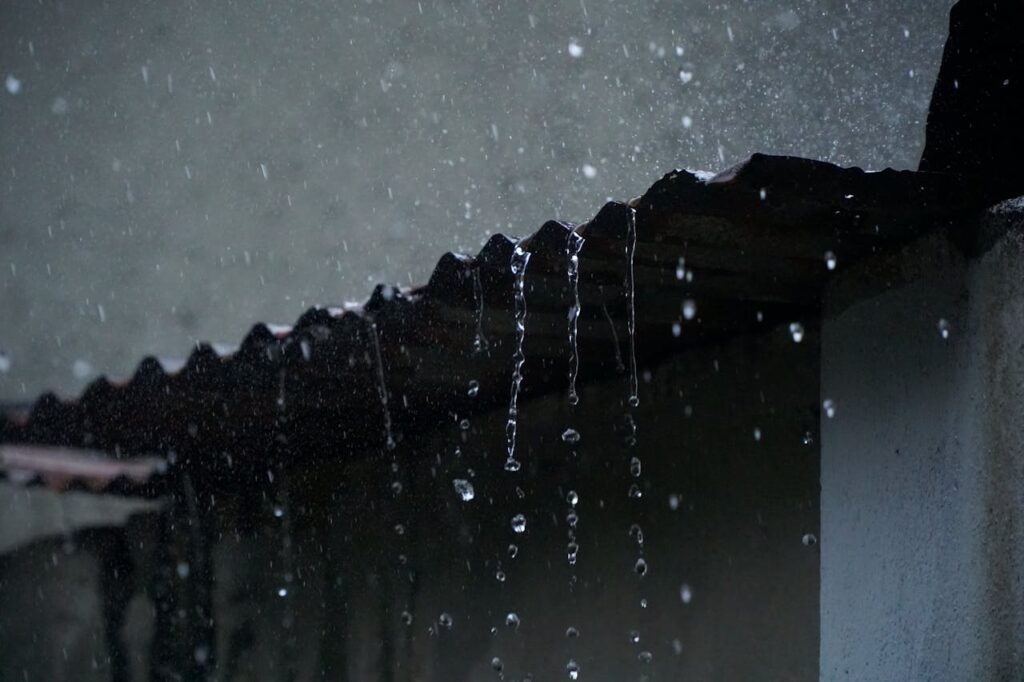
Retaining Rainwater
Retaining rainwater can significantly benefit your household and the environment.
By implementing simple collection and storage methods, you can reduce your water bills and create a healthier garden.
Plus, capturing rainwater helps manage stormwater runoff and minimizes pollution.
But before you start, there are important methods and legal considerations to keep in mind.
Let’s explore how you can effectively harness this valuable resource.
Benefits of Retaining Rainwater
When you retain rainwater, you unlock a range of benefits that can transform your approach to water management.
First, it significantly reduces your water bills, allowing you to save money while promoting sustainability.
You’ll also lessen your reliance on municipal water systems, which can be especially beneficial during droughts or water restrictions.
Additionally, using rainwater for irrigation can improve your garden’s health, as it’s typically free of chemicals found in tap water.
This natural resource helps maintain soil moisture, supports local ecosystems, and minimizes stormwater runoff, reducing erosion and pollution.
Methods for Collecting Rainwater
To harness the benefits of rainwater retention, you need effective methods for collecting it.
Start by installing gutters on your roof to channel rainwater into a collection system.
Make sure your downspouts direct the water into a storage tank or barrel.
You can also set up a rain garden, where you create a shallow depression in your yard to capture and absorb rainwater effectively.
Using permeable paving in driveways and walkways allows rain to seep into the ground rather than running off.
Additionally, consider using a rain chain instead of a downspout; it not only collects water but adds aesthetic value.
Systems for Storing Rainwater
While collecting rainwater is crucial, having an efficient system for storing it’s equally important.
You should consider various storage options like rain barrels, cisterns, or underground tanks.
Rain barrels are great for smaller spaces and can be easily connected to your downspouts.
Cisterns, on the other hand, offer larger capacities and can be above or below ground, making them versatile for different properties.
Ensure your storage system is made of food-grade materials to keep the water safe.
Don’t forget about filtration and maintenance; clean your tanks regularly to prevent algae growth and sediment buildup.
Tips for Effective Rainwater Harvesting
Choosing the right storage system sets the foundation for successful rainwater harvesting, but how you collect that water also matters.
Start by installing gutters and downspouts that lead directly to your storage tanks.
Make sure they’re clean and free of debris, as this can affect water quality.
Use screens or filters to keep out leaves and insects.
Consider using a first-flush diverter to discard the initial runoff, which often contains contaminants.
Regularly check and maintain your system to prevent leaks and ensure optimal performance.
Lastly, think about the placement of your storage tanks; positioning them in shaded areas can help reduce algae growth.
With these tips, you’ll maximize your rainwater harvesting efforts effectively.
Legal Considerations and Best Practices
As you embark on rainwater harvesting, it’s crucial to familiarize yourself with the legal considerations and best practices governing this sustainable practice.
Start by checking local regulations; some areas may have restrictions or require permits for rainwater collection systems.
Ensure your system complies with health and safety standards, particularly if you plan to use the water for irrigation or other purposes.
Incorporate proper filtration and storage methods to maintain water quality.
Using food-grade materials for tanks is a smart move.
Regular maintenance is essential—inspect your system for leaks or blockages and clean gutters to prevent contamination.
Lastly, consider joining local networks or forums where you can share experiences and learn from others about effective rainwater harvesting practices.
By retaining rainwater, you not only save money on your water bills but also contribute to a healthier environment.
Implementing simple collection methods like gutters and rain barrels helps you manage water sustainably.
Remember to follow local regulations and best practices to maximize your efforts.
With just a little effort, you can enhance your garden, support local ecosystems, and reduce stormwater runoff, making a positive impact on both your home and the planet.