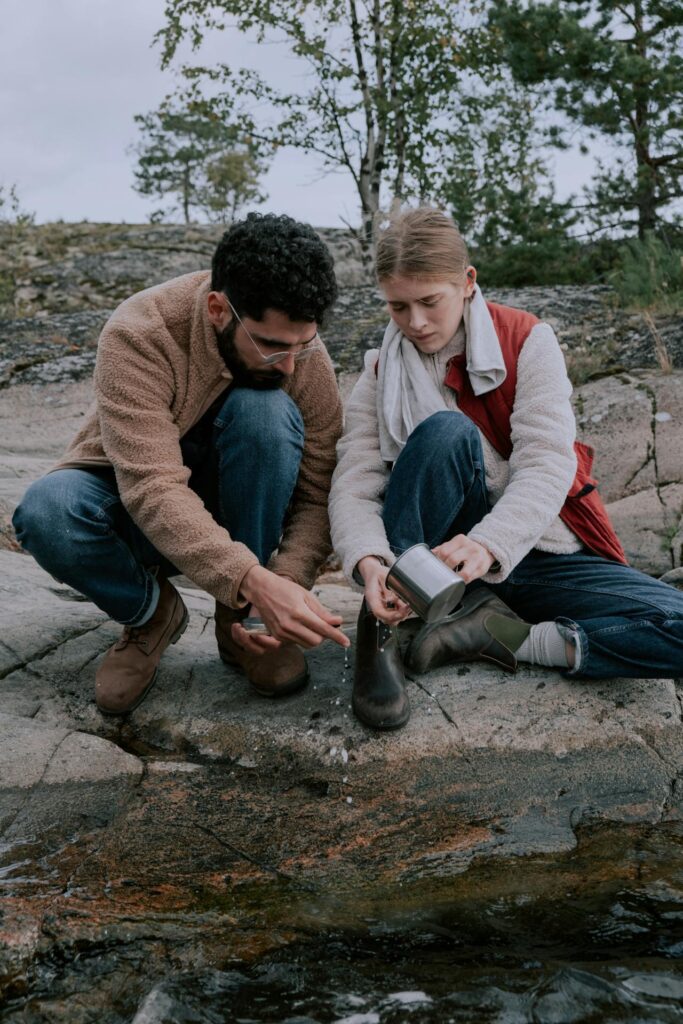
Simple Ways to Purify Water
When it comes to purifying water, you have several effective options at your disposal with some simple ways to purify water.
Boiling is a straightforward method to eliminate harmful pathogens, while filtration systems can help remove impurities.
If you can’t boil, chemical methods like chlorine or iodine might be your go-to.
And don’t overlook solar disinfection—it’s surprisingly simple.
Curious about how each method works and which one might suit your needs best?
Boiling Water for Purification
One of the simplest and most effective methods to purify water is by boiling it.
When you bring water to a rolling boil for at least one minute, you kill harmful bacteria, viruses, and parasites that could make you sick.
This method’s beauty lies in its accessibility—you don’t need fancy equipment or chemicals.
Just a heat source and a container will do.
Make sure to let the water cool before drinking, as it can be dangerously hot.
If you’re at a high altitude, boil for three minutes to ensure complete purification.
Using a Simple Filtration System
While boiling is effective, using a simple filtration system can further enhance your water purification process.
A basic water filter can remove impurities, sediments, and some harmful microorganisms.
You can easily find affordable filtration options at your local store or online.
To use a filter, just pour your water through it and let it do its job.
Make sure to choose a filter that meets your needs, whether it’s for removing chlorine, heavy metals, or bacteria.
Regularly replace the filter cartridge as recommended to maintain efficiency.
Chemical Purification Methods
When it comes to purifying water, chemical methods can be an effective option, especially in situations where boiling or filtration isn’t feasible.
One common approach is using chlorine or iodine tablets, which kill bacteria and viruses.
Just follow the instructions on the packaging for the right dosage and wait the recommended time before drinking.
Another method is adding hydrogen peroxide or bleach but be careful with the quantities; too much can be harmful.
You can also try water purification drops that usually contain a combination of chemicals for enhanced effectiveness.
Always remember to store treated water in clean, sanitized containers to prevent recontamination.
With these chemical methods, you can ensure your water is safe and ready to drink.
Solar Water Disinfection
Chemical purification methods are effective, but if you’re looking for a natural and sustainable approach, solar water disinfection (SODIS) is a great option.
This method uses sunlight to kill harmful pathogens in water.
Simply fill clear plastic bottles with contaminated water and leave them in direct sunlight for six hours or more.
The UV rays from the sun work to deactivate bacteria and viruses, making the water safe to drink.
It’s crucial to use transparent bottles, as colored or opaque containers won’t allow adequate sunlight penetration.
SODIS is particularly useful in areas without access to traditional purification methods.
DIY Water Filter Solutions
Creating your own water filter can be a rewarding and practical solution for ensuring clean drinking water.
One easy method involves using a plastic bottle.
Cut the bottom off and invert it.
Layer activated charcoal, sand, and gravel inside.
Pour water through the top; the layers will trap impurities and improve taste.
Another option is to use a coffee filter or cloth to catch larger particles.
Just place it over a jar and pour your water through it.
For a more advanced setup, you can build a bio-sand filter using a container, sand, and gravel.
These DIY filters can effectively reduce contaminants but always remember to regularly clean and replace materials to maintain effectiveness.
Enjoy your clean water!
In summary, purifying water doesn’t have to be complicated.
Whether you boil it, use a simple filter, apply chemical methods, or harness the sun’s power, you’ve got effective options at your fingertips.
Each method has its benefits, so choose the one that best fits your situation.
Remember, safe drinking water is essential for your health, so don’t hesitate to take these easy steps to ensure your water is clean and safe to drink by using these simple ways to purify water.