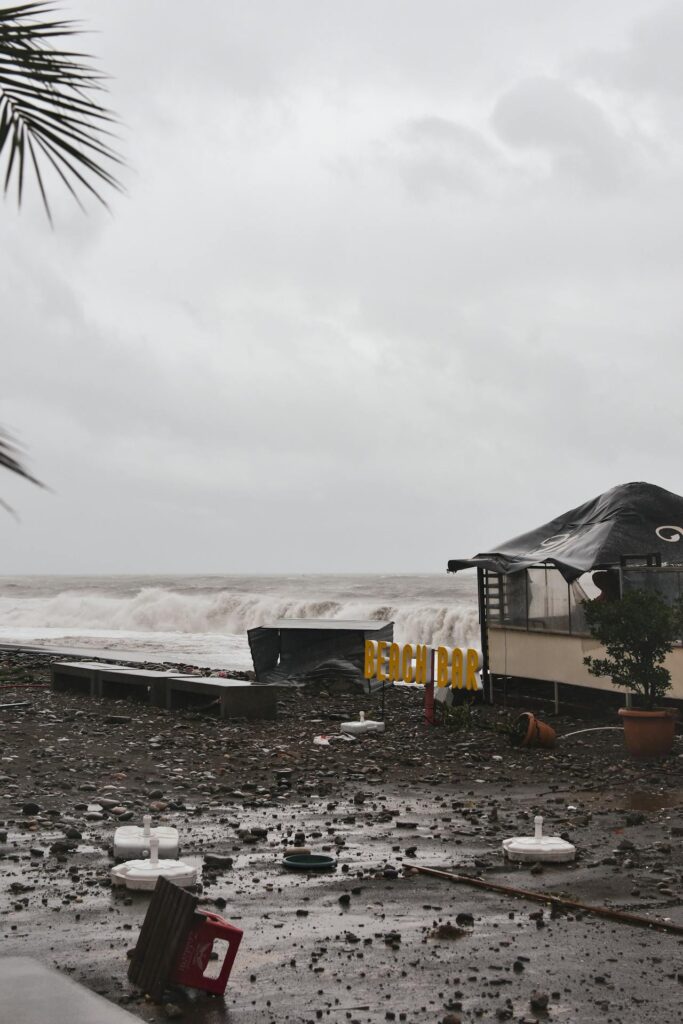
All the Rain From Debby
As you reflect on the recent devastation caused by Debby’s torrential rains, consider not just the immediate impact but the broader implications it holds for our community’s future with All the Rain From Debby.
You’ve seen the overwhelming floodwaters and the outpouring of support, but have you considered what preventative measures can be taken or how climate trends might influence similar events?
In exploring these facets, you’ll uncover layers of complexity that suggest this is more than just a natural disaster—it’s a prompt for a much-needed dialogue on sustainability and resilience.
What steps can we propose to mitigate such impacts in the years to come?
Debby’s Path and Impact
Debby’s path carved a trail of destruction across the Southeast, impacting thousands with severe flooding and power outages from All the Rain From Debby.
As you sift through the aftermath, it’s clear the storm’s effects weren’t just about the immediate weather events.
Entire neighborhoods found themselves submerged under water, with homes and businesses suffering extensive damage.
Roads turned into rivers, complicating rescue and relief efforts significantly.
The relentless rains caused rivers and streams to swell beyond their banks, engulfing nearby areas.
You might’ve seen the images of cars completely underwater and people navigating their streets by boat.
This wasn’t just an inconvenience; it was a dramatic shift in the day-to-day lives of many.
The economic impact is staggering, with preliminary estimates suggesting millions in losses due to property damage and disrupted businesses.
Agricultural areas suffered too, as crops were destroyed just weeks before harvest, hitting farmers hard.
The loss of these crops affects not just local but also regional food supplies, potentially increasing prices and reducing availability.
It’s a reminder of how deeply a storm like Debby can ripple through communities, economies, and food systems, long after the rain stops.
Local Emergency Measures
Local emergency measures were swiftly implemented to address the urgent needs of affected communities.
As you’re probably aware, the sudden influx of rain from Debby caused widespread chaos, and local authorities didn’t waste a moment on the cause of all the Rain From Debby.
They rolled out emergency evacuation plans, particularly in the most vulnerable areas prone to flooding.
You might’ve noticed the immediate setup of temporary shelters.
These weren’t just any makeshift arrangements; they were equipped with essential supplies, medical facilities, and even areas designated for pets.
It’s crucial you know where these are located, should you need to move quickly.
Furthermore, road closures were enforced to prevent accidents on treacherous, water-logged paths.
You’ve likely seen the barriers and detour signs redirecting traffic.
You must follow these routes and avoid the closed roads, as they’re there for your safety.
Utility companies were on high alert, too, prioritizing the restoration of services in blackout areas to ensure you weren’t left in the dark for too long.
If you experience any interruptions, they’re ready to assist.
Always remember, that these measures are in place to protect you.
Stay informed through local alerts and updates, and adhere to the guidance provided. Your safety is the top priority during these critical times.
Community Response Stories
Now, let’s explore how our community members have rallied to support each other in the aftermath of Debby’s rains.
You’ve seen neighbors turning their homes into makeshift shelters, opening their doors to those whose houses were severely affected by the flooding.
It’s been moving to see folks from all walks of life come together, sharing resources and providing comfort.
Local businesses haven’t been left out of the action either.
Restaurants and cafes have been offering free meals and warm drinks to affected residents and the emergency crews working tirelessly around the clock.
It’s clear that community spirit is thriving, with everyone chipping in however they can.
Even the local schools have played a pivotal role.
They’ve set up collection points for donations of clothing, food, and other essentials.
You might’ve noticed students organizing fundraising events, from bake sales to charity concerts, all aimed at supporting recovery efforts.
Social media platforms have been buzzing as well, with hashtags and online groups connecting people who need help with volunteers eager to offer their services.
It’s been a testament to the power of community and a reminder that even in tough times, you’re not alone.
Flood Prevention Strategies
While community support has been invaluable, it’s crucial to focus on flood prevention strategies to mitigate future risks.
You need to understand the importance of early warning systems.
These systems can provide you with critical time to respond before floodwaters reach dangerous levels.
It’s also essential to maintain and upgrade drainage systems regularly to prevent blockages that can lead to overflow.
Moreover, you should consider the benefits of natural solutions such as planting trees and restoring wetlands.
These methods help absorb rainwater and reduce runoff, thereby decreasing the risk of flooding.
Community zoning practices can also play a significant role.
By avoiding construction in flood-prone areas, you limit potential damage and reduce the impact on emergency services during peak times.
Lastly, investing in flood barriers and sandbags can be a practical approach for immediate response.
These tools help divert water away from key assets and residential areas.
Remember, it’s better to be proactive than reactive when it comes to flood prevention.
Implementing these strategies won’t just protect your property; they’ll ensure the safety and well-being of your entire community.
Long-Term Weather Effects
Understanding the long-term weather effects of storms like Debby helps you better prepare for future climate challenges.
Such storms don’t just come and go; they leave a lasting impact on the environment that can reshape your experience of seasons and weather patterns in the years to come.
Firstly, you’ll notice changes in local climates. Increased rainfall from storms like Debby often leads to altered growing seasons.
This might mean adjusting what crops you plant or when you plant them.
It’s not just about more water; it’s about how this water affects soil composition and fertility over time.
Secondly, there’s the risk of more frequent and severe weather events.
As Debby has shown, the intensity of storms can escalate, leading to a cycle of destruction and rebuilding that strains local economies and ecosystems.
You’re likely to see this pattern repeat, with each storm potentially being more disruptive than the last.
Finally, consider the broader ecological disruptions. Increased rainfall can lead to higher river levels and more significant flooding, affecting aquatic life and altering habitats.
You’ll need to be proactive in conservation efforts to mitigate these effects and protect your local environment.
Being aware and adaptive is crucial. Storms like Debby aren’t isolated events; they’re part of a larger trend that you’ll need to navigate.
As you reflect on the havoc wreaked by Debby, it’s clear that your resilience shines through.
You’ve rallied around each other, implementing crucial flood prevention strategies and bracing for long-term weather effects.
The journey ahead may be tough, but with your strong community spirit and proactive measures, you’re well-equipped to face future challenges.
Keep supporting each other, because together, you’re rebuilding stronger and more prepared than ever.