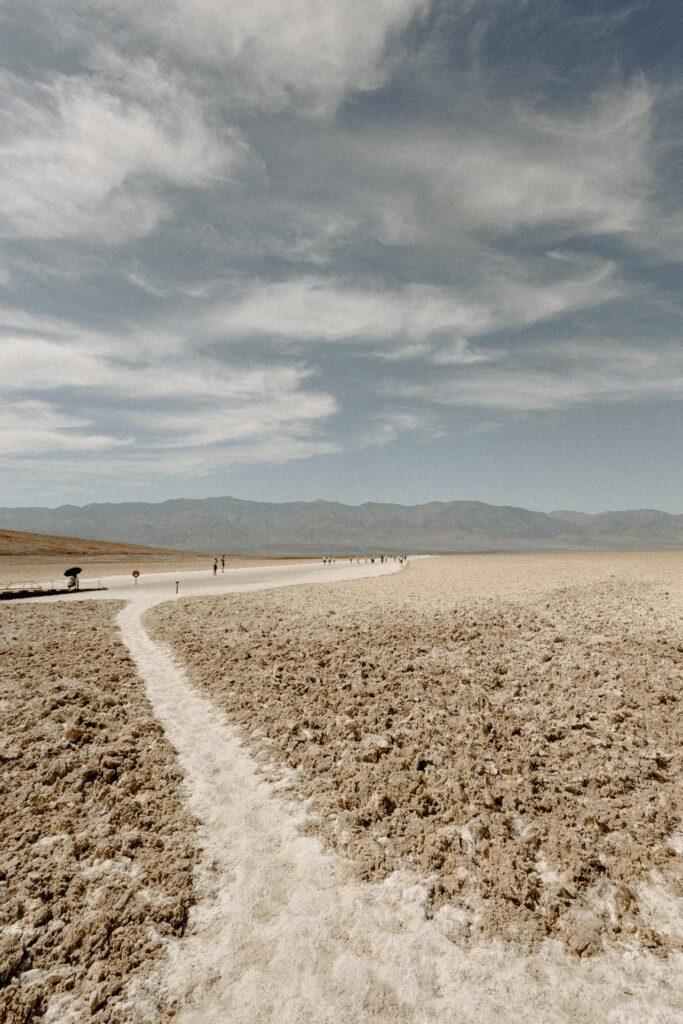
Living in Water Stressed Area
Imagine you’re living in a region where every drop of water counts or Living in Water Stressed Area.
You’ve adapted to taking shorter showers and reusing greywater for your garden, but the challenge stretches beyond personal habits.
The community’s efforts to manage this scarce resource shape daily life and raise critical questions about sustainability and future water security.
How do local farms, businesses, and families continue to thrive under these conditions?
As you consider these impacts, think about the broader implications for regions similarly affected around the globe.
What solutions might be found in the collective wisdom of communities facing water scarcity?
Daily Impact of Water Scarcity
Water scarcity impacts your daily life, from short showers to prioritizing water usage for essential tasks to help stop Living in Water Stressed Area.
You’ve become accustomed to turning off the tap while brushing your teeth and fixing any dripping faucets immediately to conserve every drop.
Landscaping decisions are also affected; perhaps you’ve replaced your thirsty grass with drought-resistant plants or opted for decorative stones.
You’re likely more aware of your appliance usage as well.
You wait until the dishwasher is fully loaded before running it and choose washing machines that offer water-efficient cycles.
Even your toilet is likely a low-flow model that uses less water per flush, helping you manage your household’s water consumption more effectively.
Socially, water scarcity might even influence your community interactions and local policies.
You’re part of neighborhood discussions about water conservation strategies and support initiatives that aim to reduce water waste or recycle water more efficiently.
Water restrictions are a common topic of conversation, and you’re always on the lookout for new ways to adapt to the increasing demands of living with limited water resources.
This heightened awareness and collective community effort help mitigate some of the challenges posed by water scarcity, shaping your daily routines and mindset toward sustainability.
Agricultural Challenges and Strategies
Facing agricultural challenges, you must adopt innovative strategies to maintain productivity in a water-stressed environment.
As a farmer or agricultural manager, exploring drought-resistant crop varieties is essential.
These crops require less water and can thrive under tough conditions, reducing your dependency on frequent irrigation.
You should also consider adjusting your planting schedules.
By timing your crop cycles according to seasonal rainfall patterns, you can maximize natural water availability.
This shift might involve planting earlier or later in the season than you traditionally would, but it can significantly conserve your water resources.
Another effective approach is to enhance your soil’s water retention.
Adding organic matter to the soil can improve its structure, increasing its ability to hold water and nutrients.
This not only minimizes the need for water but also boosts crop resilience against drought stress.
Diversifying your crops can also buffer your farm against potential failures linked to water scarcity.
By cultivating a variety of crops, you spread the risk and ensure that some production is likely to succeed, regardless of the climatic conditions.
Lastly, consider integrating livestock and crops in a symbiotic farming system.
This method can increase efficiency in resource use, including water, as livestock waste provides nutrients for your crops, fostering a healthier, more sustainable farm ecosystem.
Water Conservation Techniques
To effectively manage your water supply, you’ll need to adopt several conservation techniques for Living in Water Stressed Area.
First, consider fixing leaks throughout your home.
A single dripping faucet can waste a lot more water than you’d think, so addressing these leaks can save a significant amount.
You should also look at installing water-efficient fixtures, such as low-flow showerheads and toilets.
These devices can drastically reduce your water usage without sacrificing performance.
Additionally, think about using aerators on faucets to decrease flow while maintaining water pressure.
When it comes to your lawn, opt for drought-resistant plants that require less watering.
Watering your garden in the early morning or late evening can also reduce evaporation, making the most of each drop.
If you have a lawn, consider reducing its size or replacing it with a more sustainable landscaping option like xeriscaping, which uses very little water.
Lastly, be mindful of your water usage in daily activities.
Turning off the tap while brushing your teeth or washing dishes can save gallons of water over time.
Encourage your whole family to take shorter showers and only run the dishwasher and washing machine with full loads.
Every small change can lead to significant savings in a water-stressed area.
Innovations in Water Management
Advancements in technology now allow you to manage water resources more efficiently than ever before.
Smart sensors and IoT devices can now monitor water usage and detect leaks in real time, ensuring you’re always aware of how much water you’re using and losing.
Automated irrigation systems can adjust watering schedules based on weather forecasts and soil moisture levels, reducing waste and ensuring that plants receive just the right amount of water.
You’ve also got access to advanced filtration and purification technologies that make recycling and reusing wastewater a viable option.
These systems treat greywater from sinks, showers, and laundries, allowing it to be reused for gardening and other non-potable purposes.
It’s a game-changer for areas where freshwater is scarce.
In addition, AI-driven data analytics help in predicting water demand and supply patterns, facilitating better water management planning.
This technology analyzes historical consumption data and weather patterns to forecast future water needs, enabling authorities and individuals to prepare adequately for dry spells.
These innovations not only help in conserving precious water resources but also empower you to contribute actively to sustainable water management, ensuring that future generations have access to clean, safe water.
Community Responses and Resilience
Communities are adapting to water scarcity with innovative solutions and collective action.
You’ve seen your neighbors install rainwater harvesting systems, capturing every drop from sporadic rains to use for gardening and even flushing toilets.
It’s not just about individual households getting creative; entire neighborhoods are banding together to implement water-saving initiatives.
You might’ve noticed local forums where residents share tips on water conservation and discuss the maintenance of shared resources.
These meetings aren’t just talk; they lead to action.
Community gardens with drought-resistant plants are becoming more common, reducing the need for watering while still providing fresh produce.
Your community has likely started educational programs in schools, teaching kids the importance of saving water from a young age.
These young minds are growing up with a conservation mindset, making it a normal part of their daily routines.
Moreover, you’re probably aware of the emergency water-sharing agreements that kick in during peak crisis times.
These agreements ensure that all community members have access to basic water needs when it’s most crucial.
As you face the daily grind in a water-stressed area, your actions profoundly impact local water conservation.
By adopting innovative water management strategies and embracing community-driven solutions, you’re not just surviving; you’re thriving.
Embrace low-flow appliances, fix leaks quickly, and choose drought-resistant plants.
Together, these practices strengthen your community’s resilience, ensuring a sustainable future.
Remember, every drop counts and your efforts are key to making lasting changes.