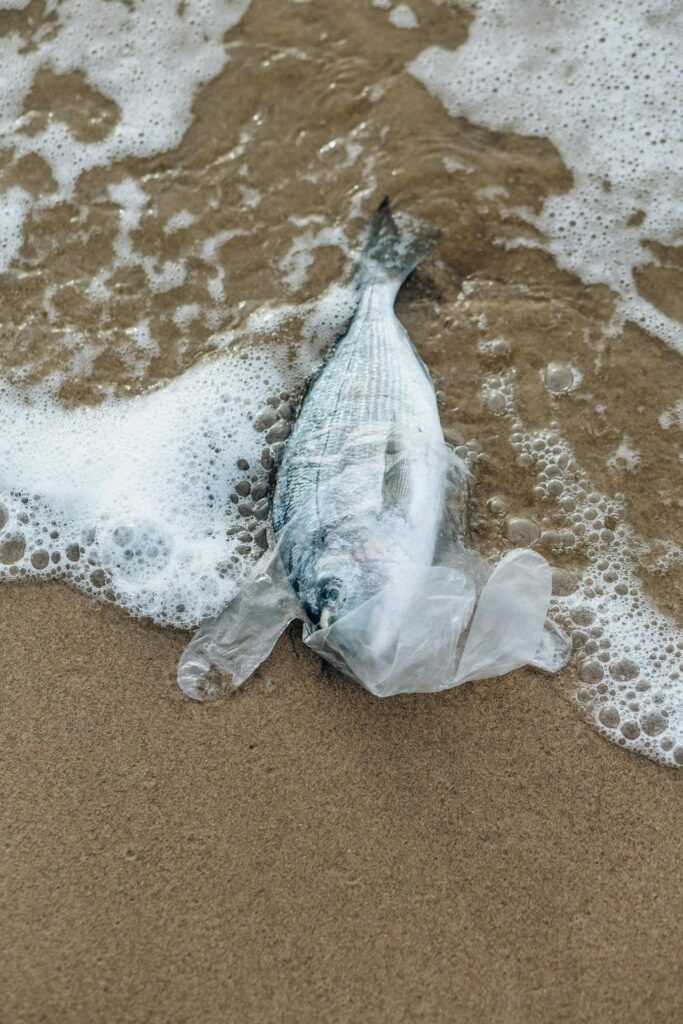
Plastics in the Water
As you peer into the vast expanse of shimmering waters, have you ever considered the hidden peril lurking beneath the surface?
Plastics in the water present a silent but pressing concern that demands attention.
The impact of plastic pollution on marine ecosystems goes far beyond what meets the eye.
It’s a complex web of interconnected issues that require thoughtful consideration and concerted action.
Let’s explore the depths of this problem and uncover the urgency of addressing this environmental crisis for the well-being of our planet.
Sources of Plastic Pollution
Plastic pollution in water is primarily caused by improper waste disposal and industrial runoff.
When you toss that plastic bottle into the trash instead of recycling it, there’s a chance it could end up in rivers, lakes, or oceans.
This careless behavior contributes to the staggering amount of plastic waste that finds its way into water bodies each year.
Additionally, industrial facilities often release plastic materials into the environment through runoff from manufacturing processes.
The chemicals and particles from these activities can contaminate water sources and harm aquatic ecosystems.
Aside from these direct sources, plastic pollution in water can also stem from everyday items like plastic bags, straws, and packaging materials.
When you use these single-use plastics and they aren’t disposed of properly, they have got the potential to eventually make their way into waterways.
It’s crucial to be mindful of your plastic consumption and disposal habits to help reduce the amount of plastic pollution in our waters.
Effects on Marine Life
Improper disposal of plastic waste in water bodies can have detrimental effects on marine life.
When plastics enter the oceans, they pose a significant threat to marine animals through ingestion and entanglement.
Marine creatures often mistake plastic debris for food, leading to malnutrition, internal injuries, and even death.
Seabirds, turtles, and fish are particularly vulnerable to this danger, as they may consume plastic items such as bags or microplastics, mistaking them for prey.
Moreover, plastics can also entangle marine animals like seals, dolphins, and whales, causing severe injuries, amputations, or restricting their movements, ultimately leading to a slow and painful death.
The presence of plastics in the water can disrupt marine ecosystems and food chains, affecting the balance of marine life.
As plastics break down into smaller particles, they can also absorb toxic chemicals, further endangering the health of marine organisms.
It’s crucial to address plastic pollution to protect the diverse marine life and preserve the health of our oceans.
Human Health Impacts
The presence of plastic waste in water bodies can have significant health impacts on humans.
When plastics break down into smaller pieces, they can leach harmful chemicals like bisphenol A (BPA) and phthalates.
These chemicals have been linked to various health issues, including hormonal imbalances, reproductive problems, and even an increased risk of certain cancers.
As plastics degrade, they also act as sponges for other pollutants present in the water, such as pesticides and heavy metals.
When ingested by marine life, these toxin-laden plastics can make their way up the food chain and ultimately reach humans through seafood consumption.
Additionally, plastic debris in water bodies can serve as breeding grounds for bacteria and other pathogens, potentially leading to waterborne diseases in humans who come into contact with contaminated water.
The ingestion of microplastics by humans is still a growing area of concern, as the long-term health effects of consuming these tiny plastic particles aren’t yet fully understood.
Current Cleanup Efforts
Efforts to clean up plastic waste from water bodies are currently being implemented by various organizations and initiatives around the world.
These initiatives aim to remove existing plastic pollution from oceans, rivers, and lakes to mitigate its harmful effects on marine life and ecosystems.
One common method used in cleanup efforts is the deployment of specialized boats equipped with nets and other tools to physically collect floating plastic debris.
Additionally, some organizations organize volunteer-led beach cleanups to prevent plastics from entering the water in the first place.
Advanced technologies like drones and underwater robots are also being utilized to survey and collect plastic waste from hard-to-reach areas.
Furthermore, there are projects focused on developing innovative solutions such as floating waste barriers and filtration systems to trap plastics before they disperse further.
Collaborative efforts between governments, non-profit organizations, and local communities are crucial in scaling up these cleanup initiatives to effectively combat the plastic pollution crisis in our waters.
Strategies for Prevention
Consider implementing simple daily habits to reduce plastic waste and prevent it from entering water bodies.
Start by carrying a reusable water bottle and shopping bag to reduce the need for single-use plastics.
Opt for products with minimal packaging or eco-friendly packaging.
Say no to plastic straws and utensils, and instead, carry your reusable ones.
Properly dispose of plastic waste by recycling and participating in community clean-up efforts.
Support legislation and initiatives aimed at reducing plastic pollution.
Encourage businesses to adopt sustainable practices and reduce plastic usage.
Spread awareness about the harmful effects of plastic pollution on aquatic ecosystems and wildlife.
Participate in beach clean-ups and river restoration projects to prevent plastics from reaching water bodies.
Educate yourself and others about the importance of reducing plastic consumption and waste.
Share tips on social media and with friends and family on how to minimize plastic use.
Overall, it’s clear that plastics in the water have a detrimental impact on marine life and ecosystems.
From ingestion to entanglement, the consequences are dire for our ocean’s inhabitants.
Not only does this pollution harm wildlife, but it also poses risks to human health.
We must continue to work towards reducing plastic pollution, promoting proper waste management, and implementing strategies to prevent further damage to our oceans and the creatures that call it home.