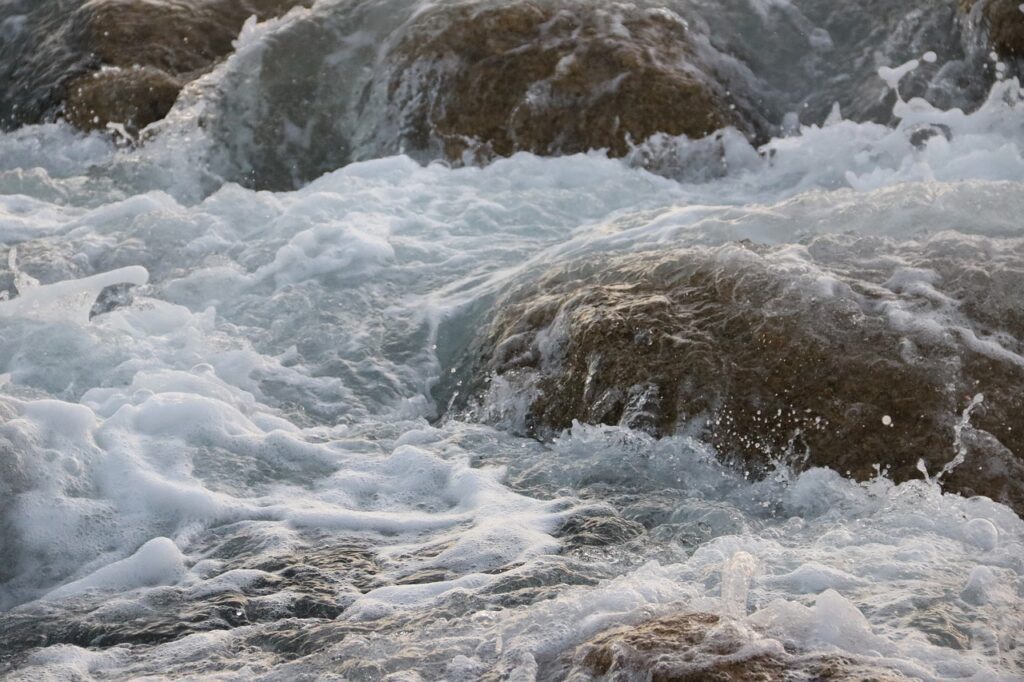
The Power of Water
Water, a seemingly gentle element, possesses a formidable might that shapes landscapes, fuels industries, and commands respect.
The intricate dance between water and Earth showcases a delicate balance of creation and destruction, leaving a lasting imprint on our planet.
From the tranquil flow of a river to the roaring power of a waterfall, the influence of water is undeniable.
As you explore the depths of this essential force, you will uncover its secrets and unravel the mysteries of its unparalleled power.
Water as a Shaper of Landscapes
Water actively sculpts the Earth’s surface, shaping landscapes through erosion and deposition processes.
When rain falls, it begins its journey, trickling down slopes and carving out channels in the soil.
As the water gains momentum, it can erode rocks and reshape the terrain, creating valleys and canyons over time.
Rivers play a significant role in this process, carrying sediment and debris downstream, depositing them in new locations and forming floodplains that support diverse ecosystems.
Glaciers also contribute to landscape formation by slowly moving across the land, carving out valleys and fjords with their immense weight and abrasive action.
The power of water is evident in coastal areas as well, where waves relentlessly pound against cliffs, wearing them down and shaping the shoreline.
Even in arid regions, occasional flash floods can drastically alter the landscape in a matter of hours, demonstrating the force and influence of water in shaping our world.
Harnessing Water for Energy Production
Utilizing the natural force of moving water, energy production can be harnessed efficiently through various technologies.
Hydropower, a renewable energy source, captures the energy of flowing water and converts it into electricity.
Hydroelectric dams are one common method of harnessing water for energy production.
These structures use turbines to generate power as water flows through them, providing electricity to communities.
Another way to harness water for energy is through tidal power.
By capturing the energy from the ebb and flow of tides, tidal power plants can generate electricity consistently.
This form of energy production is reliable and predictable, making it a valuable source of renewable energy.
Furthermore, wave energy technology utilizes the energy from ocean waves to produce electricity.
Wave energy converters capture the motion of waves and convert it into electrical power, offering another sustainable way to generate energy from water.
The Destructive Force of Water
Frequently underestimated, the immense power of water can wreak havoc and devastation when unleashed unchecked.
Flash floods, storm surges, and tsunamis demonstrate the destructive force of water, leaving behind a trail of destruction in their wake.
In mere moments, water can erode landscapes, destroy homes, and claim lives.
Rivers overflowing their banks can submerge entire communities, leading to widespread flooding and significant property damage.
The sheer volume and force of water can wash away roads, bridges, and infrastructure, disrupting essential services and isolating populations.
Coastal areas are particularly vulnerable to the destructive power of storm surges, where rising sea levels can inundate low-lying regions, causing extensive damage and loss of life.
Tsunamis, triggered by underwater earthquakes or volcanic eruptions, unleash towering waves that can devastate coastlines with little warning.
The sheer energy of these massive walls of water can obliterate everything in their path, leaving catastrophic consequences in their aftermath.
It’s crucial to respect and prepare for the destructive force of water to mitigate its impact on vulnerable communities.
Water’s Role in Erosion and Deposition
Erosion and deposition processes are significantly influenced by the movement and force of water.
When water flows over the Earth’s surface, it picks up and carries sediments, gradually wearing down rocks and soil in a process known as erosion.
The speed and volume of water determine its erosive power, with fast-moving water being more effective at eroding rocks and carrying sediments downstream.
Rivers and streams play a crucial role in shaping landscapes through erosion.
As water flows downhill, it erodes the land, creating valleys and canyons.
When the speed of the water decreases, it deposits the sediments it carries, leading to the formation of features like river deltas and alluvial plains.
Coastal areas are also greatly affected by water, as waves erode coastlines and deposit sediments to form beaches.
Water’s Influence on Climate Systems
Water plays a crucial role in influencing climate systems through its ability to absorb and release heat.
As the water heats up, it evaporates, forming water vapor in the atmosphere.
This process is vital as water vapor acts as a greenhouse gas, trapping heat and contributing to the Earth’s overall temperature regulation.
The oceans, in particular, play a significant role in regulating global climate patterns.
The movement of ocean currents, driven by variations in temperature and salinity, helps distribute heat around the world.
This redistribution of heat influences weather patterns, such as the formation of hurricanes and monsoons.
Additionally, water bodies like lakes and rivers can moderate local climates.
Areas near large water bodies tend to experience milder temperatures due to the water’s ability to store heat.
This phenomenon is known as a maritime climate. Conversely, regions further inland often have more extreme temperature fluctuations due to the lack of this moderating effect.
You’ve seen how water shapes our world, from carving out valleys to generating energy.
Its destructive force is evident in floods and tsunamis, yet its power is harnessed for sustainable purposes.
Water’s ability to erode coastlines and influence climate systems showcases its dual nature.
Remember the importance of respecting and utilizing water wisely to continue benefiting from its immense power.