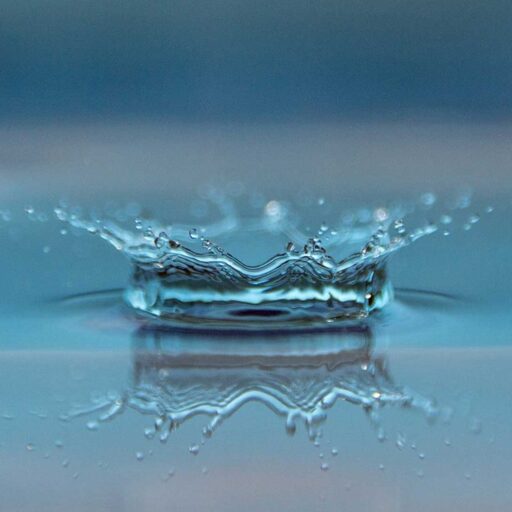
Why We Should Start Saving Water
You may not realize it, but the simple act of saving water can have far-reaching benefits beyond your immediate surroundings.
Conserving water is not only crucial for your community but also for the larger global ecosystem.
As you turn off the faucet while brushing your teeth or opt for a shorter shower, you are contributing to a larger cause that impacts the planet in ways you might not have considered.
The impact of your water-saving actions goes beyond what meets the eye, influencing various aspects of life that you might find both surprising and essential.
Water Scarcity Crisis
If you don’t act now, you may soon face the harsh reality of the water scarcity crisis.
Water scarcity is a pressing issue affecting many regions globally.
As the population grows, the demand for water increases, putting a strain on already limited water resources.
Climate change exacerbates this problem, leading to unpredictable rainfall patterns and prolonged droughts.
In areas where water is scarce, communities face challenges accessing clean and safe drinking water.
Agriculture, a sector heavily reliant on water, also suffers, impacting food production and livelihoods.
Without immediate action, the situation will only worsen, affecting not only humans but also ecosystems and wildlife.
Conserving water is crucial in mitigating the effects of water scarcity.
Simple measures like fixing leaks, using water-efficient appliances, and practicing mindful water consumption can make a significant difference.
Environmental Impact
Considering the current environmental impact of water scarcity is crucial for understanding the broader implications of this pressing issue.
In many regions, water scarcity leads to reduced water quality, as pollutants become more concentrated in limited water sources.
This can harm aquatic ecosystems and wildlife, disrupting the delicate balance of nature.
Additionally, water scarcity can result in soil degradation and desertification, making it harder for plants to grow and for habitats to thrive.
Furthermore, the energy required to extract, treat, and transport water contributes to greenhouse gas emissions, exacerbating climate change.
As water becomes scarcer, the energy demand for water-related processes increases, leading to a vicious cycle of environmental degradation.
Water scarcity also impacts biodiversity, as many species rely on specific water sources for survival.
When these sources dwindle, it can lead to the extinction of certain plants and animals.
Therefore, by conserving water, you can help mitigate these environmental impacts and contribute to the preservation of our planet’s delicate ecosystems.
Preserving Ecosystems
Understanding the impact of water scarcity on ecosystems highlights the importance of preserving biodiversity and maintaining the delicate balance of nature.
When water is scarce, ecosystems suffer.
Wetlands dry up, rivers shrink, and habitats become uninhabitable for many species.
This leads to a domino effect, where the disappearance of one species can disrupt the entire ecosystem.
By saving water, you can contribute to preserving ecosystems.
Conserving water reduces the strain on natural water sources, ensuring that ecosystems have enough water to thrive.
This, in turn, helps maintain biodiversity and supports the intricate web of life that depends on healthy ecosystems.
Preserving ecosystems is crucial for our well-being too.
Ecosystems provide us with essential services like clean air, water filtration, and climate regulation.
By saving water and protecting ecosystems, you’re safeguarding these vital services for yourself and future generations.
Securing Future Generations
To ensure a sustainable future for generations to come, prioritize water conservation in your daily routines.
By making conscious efforts to save water now, you aren’t only securing a better tomorrow for yourself but also for your children and grandchildren.
Water is a finite resource, and the more we use it irresponsibly today, the less will be available for future generations.
The impact of water scarcity can be severe and wide-reaching.
It affects not only the availability of drinking water but also food production, energy generation, and overall economic stability.
By conserving water today, you’re contributing to a more stable and secure future for those who come after you.
Think about the world you want to leave behind for your loved ones.
By taking small steps like fixing leaks, using water-efficient appliances, and being mindful of your water usage, you can play a significant role in ensuring that future generations have access to this essential resource.
Start saving water today for a better tomorrow for all.
Simple Daily Changes
Making small adjustments to your daily routine can lead to significant water savings and contribute to a sustainable future.
Start by turning off the faucet while brushing your teeth; this simple act can save around 200 gallons of water each month.
Fix any leaky faucets promptly as a dripping faucet can waste up to 20 gallons of water per day.
Opt for shorter showers to reduce water usage – cutting just two minutes off your shower time can save 10 gallons of water.
When doing laundry, ensure you have a full load to maximize each use of water.
Consider installing water-saving aerators on your faucets to reduce water flow without compromising water pressure.
Another easy change is to use a broom instead of hosing down driveways and sidewalks.
By incorporating these small adjustments into your daily routine, you can make a big impact on water conservation efforts and help create a more sustainable future for all.
Start saving water now to make a positive impact on our planet.
By conserving water, you can help alleviate the global water scarcity crisis, protect ecosystems, and ensure a sustainable future for generations to come.
Simple changes in your daily water usage habits can make a significant difference in preserving this precious resource.
Together, we can work towards a world where clean water is abundant for all.