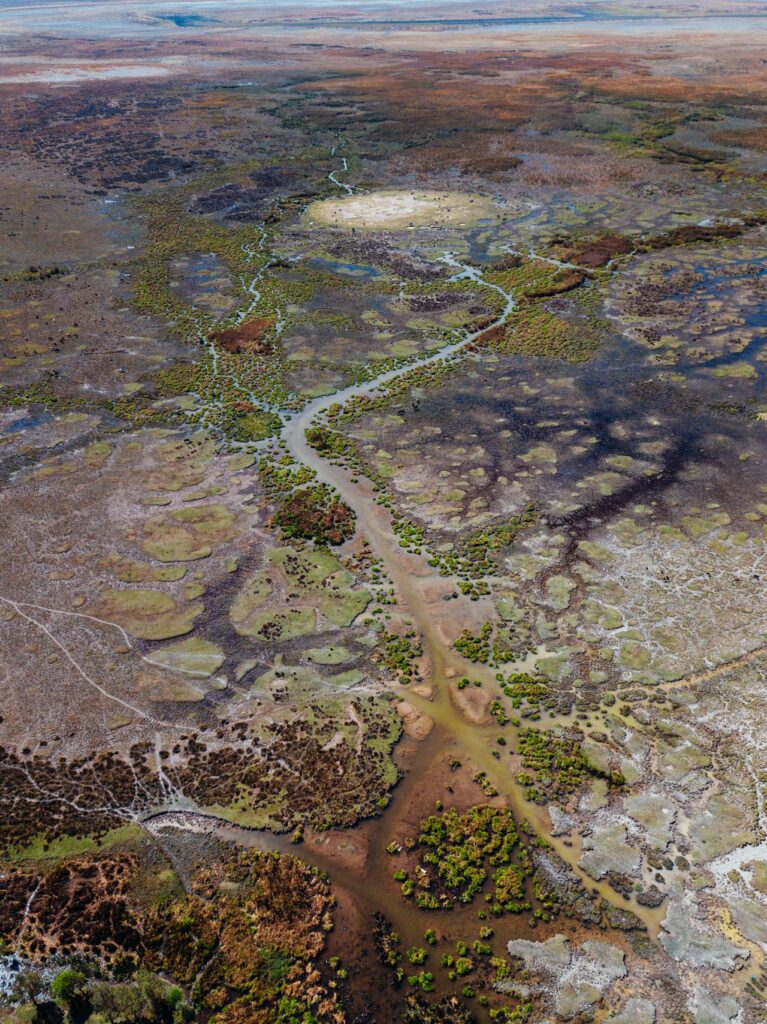
Rivers Drying Up
As you ponder the dwindling rivers around the world, consider the intricate web of interconnected consequences that arise from their drying.
The disappearance of these vital waterways has far-reaching effects on both the natural world and human societies.
What challenges do communities face when their lifelines run dry, and how can we navigate these complex issues to ensure a sustainable future for all?
Causes of River Drying
Frequently, excessive water extraction by humans accelerates the drying of rivers.
When you and others divert water for irrigation, industrial use, or consumption, it diminishes the natural flow of rivers, leading to decreased water levels downstream.
The more water that’s taken out, the less there’s to sustain the river’s ecosystem.
Dams also play a significant role in causing rivers to dry up.
By constructing dams for hydroelectric power or water storage, you impede the natural flow of rivers.
This interruption disrupts the river’s ability to replenish itself and maintain its water levels, ultimately contributing to its drying.
Additionally, climate change exacerbates the drying of rivers.
As temperatures rise and precipitation patterns shift, many rivers are experiencing decreased water inflow.
This reduction, combined with human activities like water extraction and dam construction, accelerates the drying process.
Therefore, it’s crucial to consider the impact of excessive water extraction, dam construction, and climate change on rivers to prevent further drying and protect these vital water sources for future generations.
Impact on Ecosystems
Excessive water extraction, dam construction, and climate change not only contribute to the drying of rivers but also have a profound impact on the ecosystems that depend on these water sources.
As rivers dwindle, aquatic habitats shrink, leading to altered water quality and temperature.
Fish populations decline, disrupting the food chain and endangering species that rely on river ecosystems for survival.
Additionally, the reduced flow of water affects vegetation along riverbanks, diminishing food and shelter for numerous animals like birds, insects, and mammals.
The disruption of river ecosystems can also have far-reaching consequences, impacting biodiversity and ecosystem stability.
Species that are specialized to river environments face a higher risk of extinction as their habitats disappear.
Furthermore, the loss of biodiversity in river ecosystems can lead to cascading effects throughout entire ecosystems, affecting other plants and animals that depend on these rivers for resources.
In essence, the drying of rivers due to human activities and climate change poses a significant threat to the delicate balance of ecosystems, ultimately endangering the biodiversity and health of our natural world.
Social and Economic Consequences
The drying up of rivers due to human activities and climate change not only impacts ecosystems but also brings about significant social and economic consequences.
When rivers run dry, communities that rely on them for agriculture face reduced crop yields, leading to food shortages and increased prices.
This can result in economic instability and poverty as farmers struggle to make a living.
Moreover, industries that depend on river water for operations, such as manufacturing and energy production, may face disruptions, leading to job losses and decreased economic growth in the region.
The lack of water availability also affects transportation systems, as ships can no longer navigate dried-up river channels, impacting trade and commerce.
Socially, communities that once thrived along rivers may be forced to migrate in search of water sources, leading to overcrowding in other areas and potential conflicts over scarce resources.
Additionally, the loss of recreational activities like fishing and boating can have negative impacts on the well-being and cultural identity of communities that have a deep connection to their rivers.
Importance of Sustainable Water Management
Effective management of water resources is crucial for ensuring long-term sustainability and resilience in the face of increasing water scarcity and environmental challenges.
As an individual, you play a vital role in promoting sustainable water practices in your daily life.
Conserving water by fixing leaks, using water-efficient appliances, and reducing unnecessary water consumption can significantly contribute to the preservation of this precious resource.
Furthermore, supporting local and national water conservation initiatives can help ensure a more secure water future for all.
Advocating for responsible water policies, investing in water infrastructure upgrades, and promoting sustainable agricultural practices are essential steps toward achieving long-term water security.
Global Efforts and Solutions
To address the global water crisis, it’s imperative to foster collaboration among nations and implement innovative solutions for sustainable water management.
One key global effort involves the establishment of international agreements that promote responsible water usage and conservation practices.
By working together, countries can share best practices, technologies, and resources to ensure the availability of clean water for future generations.
Furthermore, implementing water recycling and desalination technologies on a larger scale can significantly alleviate water scarcity issues.
These innovative solutions can help transform wastewater into usable water for agricultural, industrial, and domestic purposes, reducing the strain on freshwater sources.
Global initiatives focusing on watershed management and reforestation also play a crucial role in maintaining healthy river ecosystems.
Protecting watersheds and planting trees along riverbanks can help prevent erosion, improve water quality, and sustain biodiversity.
In conclusion, rivers drying up due to human activities have devastating effects on ecosystems, economies, and communities.
It’s imperative to prioritize sustainable water management practices, international cooperation, and investments in water infrastructure to ensure the long-term health and security of our water resources.
By working together and taking proactive steps, we can mitigate the impacts of river drying and safeguard the future of our planet and its inhabitants.