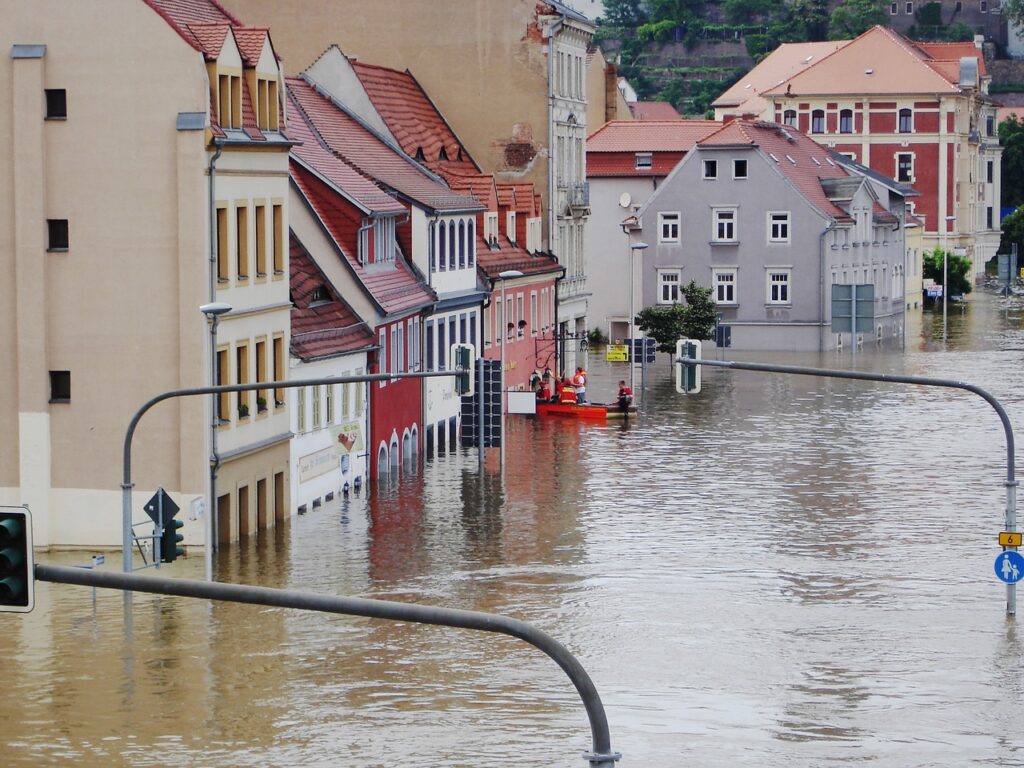
Floods Around the Globe
You might not realize how floods can strike unexpectedly, reshaping entire communities in mere hours with all the Floods Around the Globe.
From the catastrophic aftermath of Hurricane Katrina to the extensive damage in Pakistan in 2010, each event illustrates the urgency of understanding flood dynamics.
Urban environments, often ill-prepared, face unique challenges that can exacerbate the situation.
With climate change acting as a catalyst for increased flooding, it’s crucial to explore what factors contribute to these disasters and how communities can better prepare for them.
What strategies can truly make a difference in mitigating these risks with Floods Around the Globe?
Types of Flooding
When heavy rainfall or rapid snowmelt occurs, various types of flooding can emerge, each with unique characteristics and impacts.
You might encounter river flooding, which happens when rivers overflow their banks due to excessive rain or melting snow.
This type often affects communities near riverbanks, leading to significant property damage and displacement.
Another common type is flash flooding, which can occur suddenly and with little warning.
It’s driven by intense rainfall over a short period, often in urban areas where water can’t drain quickly.
You’ll need to be especially cautious during flash floods, as they can be life-threatening.
Coastal flooding is another concern, especially during storms or high tides.
If you live near the coast, you could experience flooding that affects homes and businesses, often exacerbated by storm surges.
Lastly, there’s urban flooding, which happens in cities with poor drainage systems.
Heavy rainfall can overwhelm these systems, causing streets to become impassable.
Understanding these different types of flooding can help you prepare and respond effectively when faced with such natural disasters.
Major Flood Events
Flooding can have devastating effects on communities, and several major flood events throughout history highlight the scale of such disasters.
Take, for example, the 2004 Indian Ocean tsunami, which, while primarily a tsunami, caused severe flooding that affected millions in countries like Indonesia and Thailand.
You may recall the 2010 Pakistan floods, where monsoon rains led to widespread devastation, displacing over 20 million people and destroying crops and infrastructure.
Another significant event occurred in New Orleans in 2005 when Hurricane Katrina struck.
The levees failed, resulting in catastrophic flooding that submerged neighborhoods, leaving thousands stranded.
This disaster drew global attention to flood preparedness and response.
In 2011, heavy rains caused the Mississippi River to overflow its banks, impacting multiple states and forcing thousands to evacuate.
You can see how these events not only disrupt lives but also strain resources and challenge recovery efforts.
In each case, communities faced immense challenges, from immediate rescue efforts to long-term rebuilding.
Understanding these major flood events can help you appreciate the importance of flood management and the need for resilience in the face of such natural disasters.
Causes and Contributors
Understanding the causes and contributors to flooding is essential for effective disaster management.
Flooding often occurs when heavy rainfall overwhelms drainage systems, leading to water accumulation.
You might notice that urban areas are particularly vulnerable due to impervious surfaces like concrete, which prevent water absorption.
Additionally, snowmelt during warmer months can contribute to river flooding, especially if the snow melts rapidly.
Natural factors like topography and soil saturation also play a significant role; steep landscapes may channel water quickly, while saturated soil can’t absorb more water, increasing runoff.
Human activities, such as deforestation and poor land management, exacerbate flooding risks.
When trees are removed, the land loses its ability to absorb rainfall effectively.
Urbanization can disrupt natural water flow, causing rivers to overflow.
Climate change is another critical contributor, increasing the frequency and intensity of storms.
You should also consider infrastructure issues.
Aging levees and inadequate drainage systems can fail during extreme weather events.
Impacts on Communities
The devastation caused by floods can leave communities grappling with loss and uncertainty.
Homes, businesses, and essential infrastructure may be destroyed, forcing you and your neighbors to confront immediate challenges like displacement and loss of income.
You might find yourself navigating the emotional toll of losing cherished possessions and memories, while also facing the stress of finding temporary shelter.
Additionally, floods can disrupt access to clean water and sanitation facilities, increasing the risk of waterborne diseases.
This situation can put immense pressure on local healthcare systems, already strained from the aftermath of the disaster.
As you witness your community struggle to recover, social ties may weaken under the strain, leading to increased anxiety and tension among residents.
The economic impacts are also significant.
You might experience job losses or reduced income as businesses close or slow down, making it difficult to support your family.
The road to recovery can be long and arduous, requiring not just physical rebuilding but also emotional healing.
In these moments, community resilience becomes vital, as neighbors band together to support one another, fostering hope amid the chaos.
Strategies for Flood Management
Effective flood management requires a proactive approach that combines planning, infrastructure improvements, and community engagement.
You should start by assessing your area’s flood risks through detailed mapping and data analysis.
Understanding the specific vulnerabilities helps you prioritize actions and allocate resources effectively.
Investing in resilient infrastructure is essential.
This includes constructing levees, floodwalls, and retention basins to control water flow.
Additionally, improving drainage systems can significantly reduce flooding impacts.
You can also advocate for the restoration of wetlands and natural floodplains, which act as buffers against floodwaters.
Community engagement plays a crucial role in flood management.
Educate your neighbors about flood risks and encourage them to develop emergency plans while there are Floods Around the Globe.
Collaborate with local authorities to organize workshops or drills, ensuring everyone knows what to do during a flood.