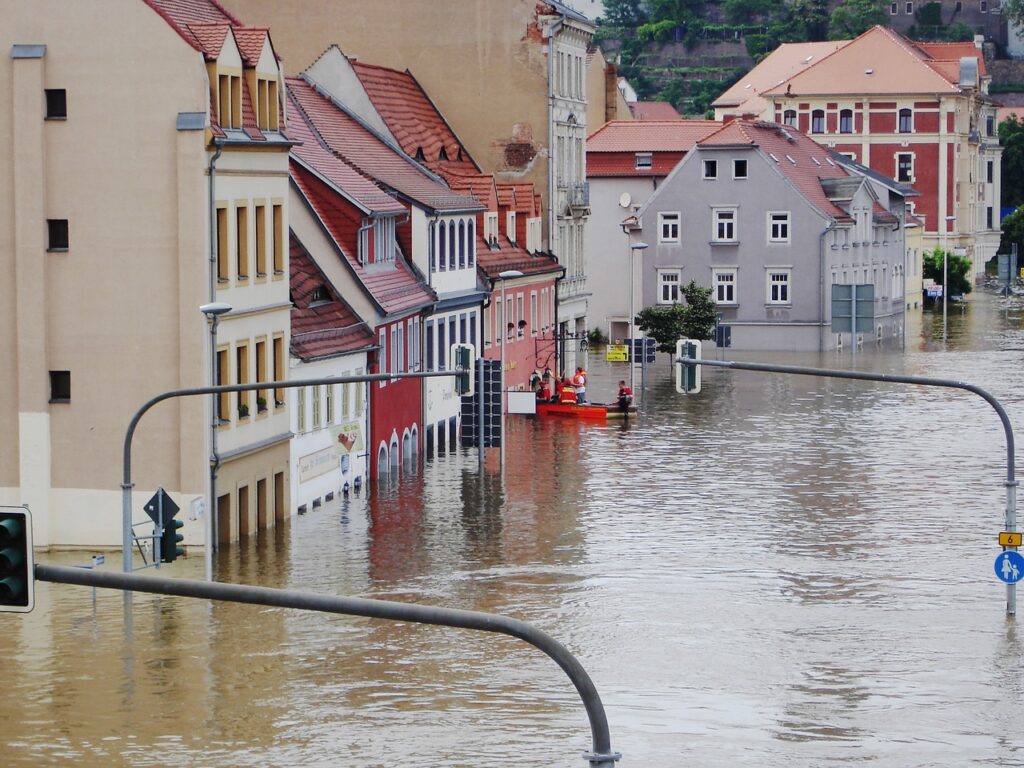
Floods Around the Globe
You might not realize just how widespread and devastating floods can be across the globe with Floods Around the Globe.
From the monsoons in tropical regions to the seasonal surges in river basins, these disasters have numerous causes and effects that ripple through communities.
As urban areas expand, the risks only increase, leading to more frequent and severe flooding events.
Understanding the underlying trends and impacts is crucial, but the real question remains: what can be done to mitigate these escalating challenges and protect vulnerable populations?
Major Historical Flood Events
Throughout history, floods have shaped societies and transformed landscapes, leaving behind tales of devastation and resilience.
You might think of the Great Mississippi Flood of 1927, which displaced over 600,000 people and drastically changed flood management policies in the United States.
This event highlighted how communities could unite in the face of disaster, leading to innovative solutions for future floods.
In ancient times, the flooding of the Nile River was crucial for agriculture in Egypt.
You’d witness how the annual inundation brought nutrient-rich silt, enabling a flourishing civilization.
However, this same river could unleash devastating floods that swallowed villages, reminding you of nature’s duality.
The 1931 China floods are another stark example, affecting millions and resulting in the loss of hundreds of thousands of lives.
The sheer scale of devastation changed governmental policies regarding disaster preparedness and response.
As you explore these major historical events, you’ll see that each flood carries lessons about human vulnerability and resilience.
They remind you that while floods can destroy, they also prompt innovation, unity, and a deeper understanding of our relationship with the environment.
Causes of Global Flooding
Flooding can occur for several reasons, and understanding these causes is essential for effective disaster management.
One primary cause is heavy rainfall.
When you experience prolonged and intense downpours, the ground can’t absorb all that water, leading to surface runoff and rising water levels in rivers and streams.
You might also see flooding from rapid snowmelt, especially in spring when temperatures rise quickly, causing snow to turn into water faster than it can drain away.
Another significant factor is urbanization.
As cities grow and develop, natural drainage systems are altered.
Paved surfaces prevent water from soaking into the ground, which can exacerbate flooding during storms.
Additionally, poor land management practices, such as deforestation and wetland destruction, reduce the land’s ability to absorb water, increasing flood risk.
Regional Flooding Patterns
Understanding the causes of flooding helps illuminate the regional patterns that emerge around the world.
Each region experiences flooding differently, influenced by factors like geography, climate, and human activity.
For instance, in tropical areas, heavy rainfall during monsoon season can lead to sudden, intense flooding.
You might notice that regions along rivers, such as the Mississippi in the U.S. or the Ganges in India, frequently face seasonal flooding due to snowmelt or heavy rains.
In contrast, coastal areas often grapple with flooding from storm surges and rising sea levels.
You could observe significant flooding in places like New Orleans during hurricane season.
Urban areas, with their extensive pavement and drainage systems, can face flash floods when heavy rain overwhelms the infrastructure.
Additionally, arid regions can experience occasional but devastating floods when brief, but intense rainfalls occur, as seen in parts of the Middle East.
Understanding these regional patterns not only highlights the diverse nature of flooding but also emphasizes the need for tailored prevention and management strategies, ensuring communities can better prepare for these natural events.
Impacts on Communities
Communities grappling with flooding often face profound disruptions that extend far beyond the immediate water damage.
You might find that your daily life is suddenly uprooted, with homes damaged or destroyed and essential services interrupted.
The chaos can leave you feeling vulnerable and anxious, as you navigate the loss of belongings, treasured memories, and even your sense of security.
Economic impacts can be severe. Local businesses may shut down, leading to job losses and reduced income for families.
You may struggle to find work or face long-term financial instability as your community attempts to rebuild.
The emotional toll can’t be overlooked either; stress, anxiety, and depression often take hold as the recovery process drags on.
Public health is another concern.
Floodwaters can contaminate drinking supplies and spread diseases, forcing you to rely on emergency services for clean water and medical care.
Infrastructure, like roads and bridges, may be damaged, making travel difficult.
In short, flooding disrupts not just your environment but also your community’s overall well-being, affecting every aspect of life as you work together to recover from the crisis.
Strategies for Mitigation
Recovery from flooding requires proactive strategies to mitigate future risks and protect your community.
First, you should assess the local environment and identify flood-prone areas.
This helps in understanding where to focus your mitigation efforts.
Implementing green infrastructure, like rain gardens and permeable pavements, can significantly reduce runoff and absorb excess water.
Next, consider enhancing your community’s drainage systems.
Regular maintenance and upgrades can ensure that existing systems function effectively during heavy rainfall.
Additionally, developing floodplain zoning regulations can restrict construction in high-risk areas, reducing potential damages.
Public education is crucial. You can organize workshops to inform residents about flood preparedness and response.
Encourage everyone to create emergency plans and gather supplies.
Investing in early warning systems also plays a vital role.
These systems can provide timely alerts, allowing residents to act quickly and minimize risks.
Lastly, fostering community partnerships with local agencies can enhance your overall response capabilities.
In conclusion, floods are a serious global issue that affects millions each year.
Understanding their causes and patterns helps you grasp their impact on communities and the environment.
It’s crucial to support and implement effective mitigation strategies, like green infrastructure and floodplain zoning, to protect lives and property.
By being aware and proactive, you can contribute to building resilience against flooding in your area and beyond, ensuring a safer future for everyone against Floods Around the Globe.