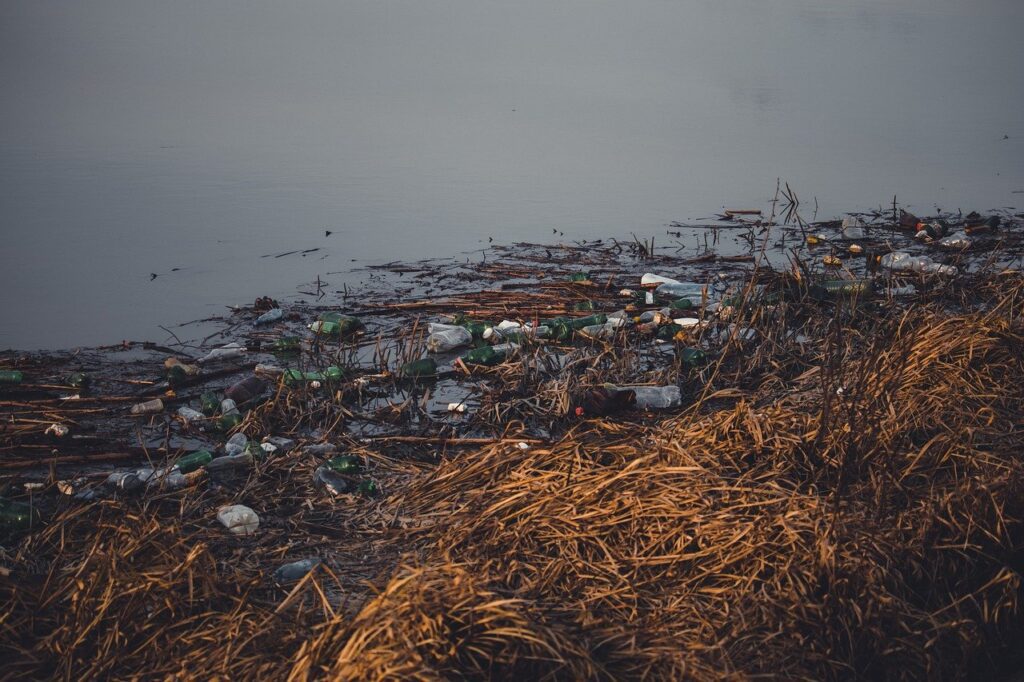
Unsafe Water Killing People
You might not realize it, but the water you take for granted could be the source of a hidden crisis affecting millions with Unsafe Water Killing People.
Unsafe water isn’t just an inconvenience; it’s a silent killer that disproportionately impacts vulnerable populations, leading to devastating health outcomes.
As you consider the implications of contaminated water, think about what this means for communities struggling to access clean sources.
The urgency of the situation demands attention, but what solutions are on the horizon, and how can we contribute to change?
Global Water Crisis Overview
Around 2 billion people worldwide lack access to safe drinking water, highlighting the severity of the global water crisis.
This crisis isn’t just a statistic; it impacts lives daily.
You might think of water as a basic human need, but for many, it’s a daily struggle to find clean sources.
In rural areas, people often walk miles to access contaminated water, putting their health at risk.
Urban populations face their own challenges, with aging infrastructure leading to leaks and pollution.
The consequences of this crisis are far-reaching.
Without reliable access to safe water, personal hygiene suffers, which can lead to further complications.
You may find it hard to believe, but the scarcity of clean water can also stifle economic growth and worsen inequalities, especially in developing regions.
Governments and organizations around the world are working to address these issues, but progress is slow.
You can play a role in raising awareness and supporting initiatives aimed at improving water access.
By understanding the global water crisis, you’re better equipped to advocate for solutions that can help millions gain access to this essential resource.
Health Impacts of Contaminated Water
Accessing contaminated water can have dire health impacts, leading to a range of diseases that affect millions.
When you consume water tainted with bacteria, viruses, or harmful chemicals, you put yourself at risk of serious illnesses.
Diarrheal diseases, such as cholera and dysentery, are among the most common consequences, often resulting in severe dehydration and, in some cases, death.
Ingesting contaminated water can also lead to long-term health issues.
You might experience gastrointestinal problems, liver damage, or neurological disorders depending on the pollutants present.
Chemical contaminants, like heavy metals, can accumulate in your body, causing chronic health conditions over time.
Moreover, the health impacts aren’t limited to just those who drink the water.
When you use contaminated water for cooking or bathing, you can still be exposed to harmful pathogens.
This exposure can lead to skin infections or respiratory illnesses, affecting your overall well-being.
Vulnerable Populations at Risk
Contaminated water poses a significant threat to vulnerable populations, amplifying their risk of health issues.
You mightn’t realize that children, the elderly, and those with pre-existing health conditions are especially susceptible to the dangers posed by unsafe water.
For instance, children’s developing immune systems can’t fight off waterborne diseases as effectively, leading to severe consequences.
In communities with limited access to healthcare, any illness stemming from contaminated water can result in long-term health problems or even death.
The elderly, often with weakened immune systems, also face increased risks.
They may struggle to recover from infections caused by pathogens in unsafe water.
Additionally, marginalized communities frequently lack the resources to access safe drinking water or proper sanitation.
This lack of infrastructure further exacerbates their vulnerability, leaving them exposed to hazardous conditions.
When you consider these factors, it becomes clear that the ramifications of contaminated water extend far beyond basic health concerns.
Addressing the needs of these vulnerable populations is crucial in mitigating the impact of unsafe water and ensuring that everyone has a right to clean, safe drinking water.
Sustainable Solutions for Clean Water
Finding sustainable solutions for clean water is essential to combat the ongoing crisis affecting vulnerable communities.
You can start by supporting rainwater harvesting systems, which capture and store rain for drinking and irrigation.
This not only provides a reliable water source but also helps manage stormwater runoff.
Another effective approach is implementing solar water purification methods.
Using solar energy to purify water is cost-effective and environmentally friendly.
You can also promote the use of bio-sand filters, which are simple to construct and can be made from locally available materials.
They effectively remove contaminants and improve water quality.
Engaging communities in education and awareness programs is crucial.
When people understand the importance of sanitation and hygiene, they’re more likely to adopt practices that protect their water sources.
Encourage local governments to invest in infrastructure, such as water treatment facilities and distribution systems, to ensure access to clean water.
Call to Action for Change
It’s time to rally together for change in the fight against unsafe water issues.
You have the power to make a difference, and every action counts.
Whether it’s advocating for better water policies, supporting organizations that provide clean water, or simply educating those around you, your involvement is crucial.
Start by raising awareness in your community.
Share information about the dangers of contaminated water and encourage conversations about solutions.
You can also participate in local clean-up events or fundraisers aimed at improving water quality.
Don’t underestimate the impact of social media; use it to amplify your message.
Connect with others who share your passion, and together, you can create a larger movement.
Contact your local representatives, urging them to prioritize clean water initiatives.
Consider donating your time or resources to organizations working tirelessly to combat unsafe water issues.
Your contributions can help provide life-saving resources to those in need.
Unsafe water isn’t just a statistic; it’s a reality that affects millions.
By understanding the dire health impacts and recognizing the vulnerable populations at risk, you can play a role in advocating for sustainable solutions.
Together, we can push for better access to clean water, ensuring that everyone has the chance to live healthier lives.
Don’t wait for change to happen—get involved and be the voice for those who are suffering with Unsafe Water Killing People.