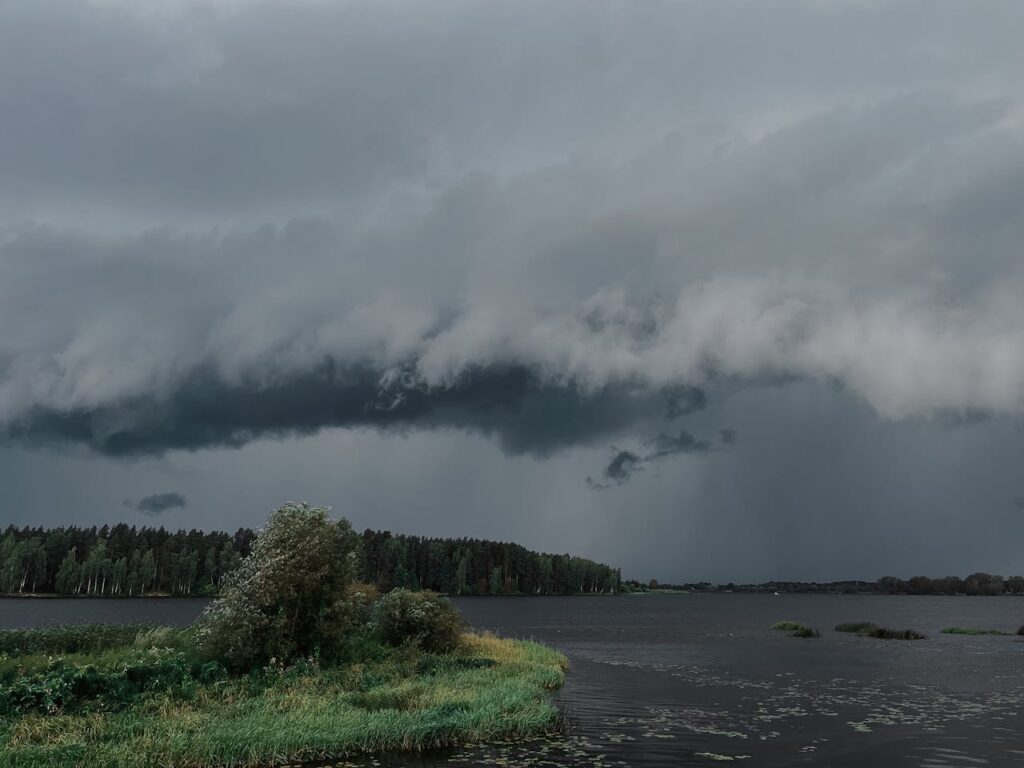
The Abundance of Storms
You’ve likely noticed the increasing frequency of storms lately with the abundance of storms.
Rising temperatures are adding more moisture to the atmosphere, which fuels these extreme weather events.
Hurricanes, thunderstorms, and tornadoes are becoming more intense, impacting not just the environment but also our lives.
As coastal areas face heightened risks, it’s essential to understand the broader implications.
What does this mean for our communities and infrastructure?
The answer might surprise you.
Climate Change and Its Role in Storm Frequency
As climate change continues to warm the planet, you might notice that storms are becoming more frequent and intense.
Rising temperatures lead to increased evaporation, filling the atmosphere with more moisture.
This extra moisture fuels storms, making them stronger and more destructive.
You may find that hurricanes, thunderstorms, and tornadoes aren’t only happening more often but also carrying greater wind speeds and heavier rainfall.
Coastal areas, in particular, face heightened risks from storm surges and flooding.
You could also see changes in storm patterns, with some regions experiencing droughts while others suffer from severe storms.
By understanding this connection, you can better prepare for the unpredictable weather that climate change brings to your community and beyond.
The Science Behind Extreme Weather Patterns
While many people notice the increase in extreme weather events, understanding the science behind these patterns reveals deeper insights into their causes
.
Atmospheric changes, like rising temperatures, create a more volatile environment.
Warmer air holds more moisture, fueling storms and making them more intense.
Additionally, shifts in ocean currents and wind patterns can disrupt typical weather systems, leading to unexpected extremes.
You might also consider how urbanization affects local climates, with cities generating heat and altering precipitation patterns
.
The interaction between land and atmosphere plays a crucial role in shaping these events.
By grasping these scientific principles, you can better appreciate the complexities driving today’s extreme weather and its implications for our planet.
Impacts on Communities and Infrastructure
Extreme weather events don’t just affect the natural world; they also have profound effects on communities and infrastructure.
You might notice that storms can damage homes, leaving families displaced and vulnerable.
Flooding can overwhelm roads, making travel dangerous and disrupting essential services.
Schools may close, and businesses can suffer significant losses, impacting local economies.
Power outages often follow, leaving you without electricity for days.
Communities face challenges in recovery, often requiring extensive repairs and resources that strain budgets.
Additionally, mental health impacts can linger long after the storm passes, as residents deal with fear and uncertainty.
Preparedness and Response Strategies
Effective preparedness and response strategies are crucial for minimizing the impact of storms on communities.
You should start by creating an emergency plan that includes evacuation routes and communication methods.
Make sure your family knows what to do before, during, and after a storm.
Stock up on essential supplies like water, non-perishable food, batteries, and first-aid kits.
Stay informed by monitoring weather reports and alerts from local authorities.
Participate in community drills to ensure everyone knows their roles during a storm.
When a storm approaches, secure your property, and follow evacuation orders promptly.
After the storm, check on neighbors, especially the vulnerable, and report any hazards.
Your proactive measures can save lives and accelerate recovery efforts.
Mitigation Efforts and Future Outlook
After ensuring your community is prepared to respond to storms, it’s important to focus on mitigation efforts that can reduce the damage they cause.
Start by investing in infrastructure improvements, like upgrading drainage systems and reinforcing buildings to withstand severe weather.
Encourage local zoning laws that prevent construction in high-risk areas, which can save lives and property.
Promote green spaces and trees, as they can absorb excess rainwater and reduce flooding.
Additionally, support community education programs that teach residents about storm preparedness and response.
Looking ahead, embracing innovative technologies, such as predictive analytics, can enhance your community’s resilience.
In conclusion, the increasing frequency of storms due to climate change presents significant challenges for communities like yours.
You must stay informed about the science behind these extreme weather patterns and recognize their impacts on your infrastructure and safety.
By prioritizing preparedness and response strategies, you can safeguard your community against these threats.
Embracing mitigation efforts now will help create a more resilient future, ensuring you’re better equipped to face the storms ahead with the abundance of storms.