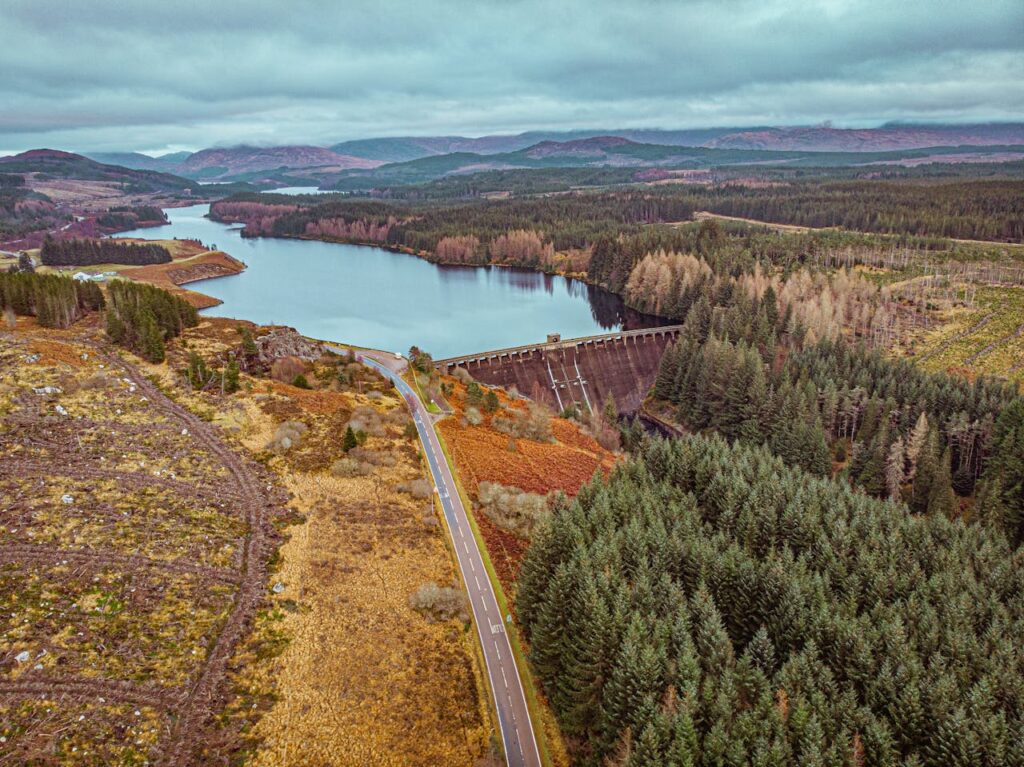
Increasing and Decreasing Water Supply
You’ve likely noticed how climate change and human activities are disrupting water supply across the globe with Increasing and Decreasing Water Supply.
Whether it’s droughts that dry up rivers or floods that contaminate fresh sources, the balance is shifting.
Urban growth and agricultural demands only complicate things further.
So, how can communities adapt to these challenges?
Exploring innovative solutions might just hold the key to sustainable water management.
What strategies have proven successful in different regions?
The Impact of Climate Change on Water Supply
As climate change continues to alter weather patterns, you may notice its profound impact on water supply systems.
Increased temperatures lead to more evaporation, reducing the amount of available freshwater.
Droughts become more frequent and intense, straining reservoirs and aquifers.
In contrast, heavier rainfall events can overwhelm infrastructure, causing flooding and contamination of water sources.
This unpredictability makes it challenging for water management systems to maintain a consistent supply.
You might find that seasonal water availability shifts, impacting agriculture and daily consumption.
It’s crucial to adapt to these changes by implementing sustainable practices and investing in resilient infrastructure.
Human Activities and Their Influence on Water Resources
Climate change isn’t the only factor affecting our water resources; human activities play a significant role too.
Everyday actions, like excessive water use in agriculture, contribute to depletion.
You mightn’t realize it, but over-irrigation can lead to runoff and soil salinization, harming crops and ecosystems.
Urbanization also impacts water supply; as cities expand, natural water bodies get polluted, and their capacity diminishes.
Industrial activities release contaminants that further compromise water quality.
Additionally, deforestation reduces the land’s ability to retain water, exacerbating erosion and runoff.
You can help by conserving water, supporting sustainable practices, and advocating for policies that protect local water sources.
Recognizing these influences empowers you to make choices that benefit our vital water resources.
The Role of Droughts and Floods in Water Availability
Droughts and floods significantly influence water availability, leading to dramatic changes in how we access and manage this precious resource.
During droughts, you might notice wells drying up and rivers shrinking, forcing you to reconsider your water usage.
It’s a wake-up call to conserve and prioritize essential needs.
Conversely, floods can overwhelm systems, causing contamination and damaging infrastructure, which can also limit your access to clean water.
Both extremes test your resilience and adaptability.
You may need to explore alternative sources or storage solutions to ensure a consistent supply.
Understanding these natural events helps you better prepare for future challenges, ultimately leading to more effective water management practices in your community.
Innovative Solutions for Sustainable Water Management
While traditional methods of water management have served us well, embracing innovative solutions is crucial for creating a sustainable future.
You can enhance efficiency by integrating smart technologies, like IoT sensors, that monitor water usage in real-time.
Rainwater harvesting systems can capture and store precious rain, reducing reliance on municipal supplies.
Consider implementing greywater recycling, which reuses water from sinks and showers for irrigation.
Sustainable landscaping, with native plants, minimizes water needs while beautifying your space.
Additionally, community engagement in water conservation practices can foster awareness and responsibility.
By adopting these strategies, you not only protect vital resources but also contribute to a healthier environment for future generations.
It’s time to take action and innovate for sustainable water management.
Case Studies: Successful Water Resource Management Around the World
As cities around the globe grapple with water scarcity, innovative management strategies offer valuable lessons in resource sustainability.
Take Singapore, for instance; it’s transformed from a water-scarce nation to a model of efficient water recycling and rainwater harvesting.
You can also look at Israel, where advanced irrigation techniques and desalination have revolutionized agriculture, ensuring crops thrive despite limited natural water sources.
Meanwhile, Cape Town’s response to its water crisis highlights the importance of community engagement and conservation efforts.
By implementing smart policies and technology, cities worldwide are showcasing that effective water management is achievable.
You can draw inspiration from these examples to advocate for similar initiatives in your own community, ensuring a resilient water future.
In conclusion, balancing water supply in the face of climate change and human activities is crucial for our future.
By understanding the impacts of droughts and floods, and recognizing how urbanization and agriculture strain resources, you can play a role in sustainable management.
Embracing innovative solutions like rainwater harvesting and greywater recycling will help you adapt to changing conditions.
Together, we can ensure that communities thrive, even as water availability fluctuates.