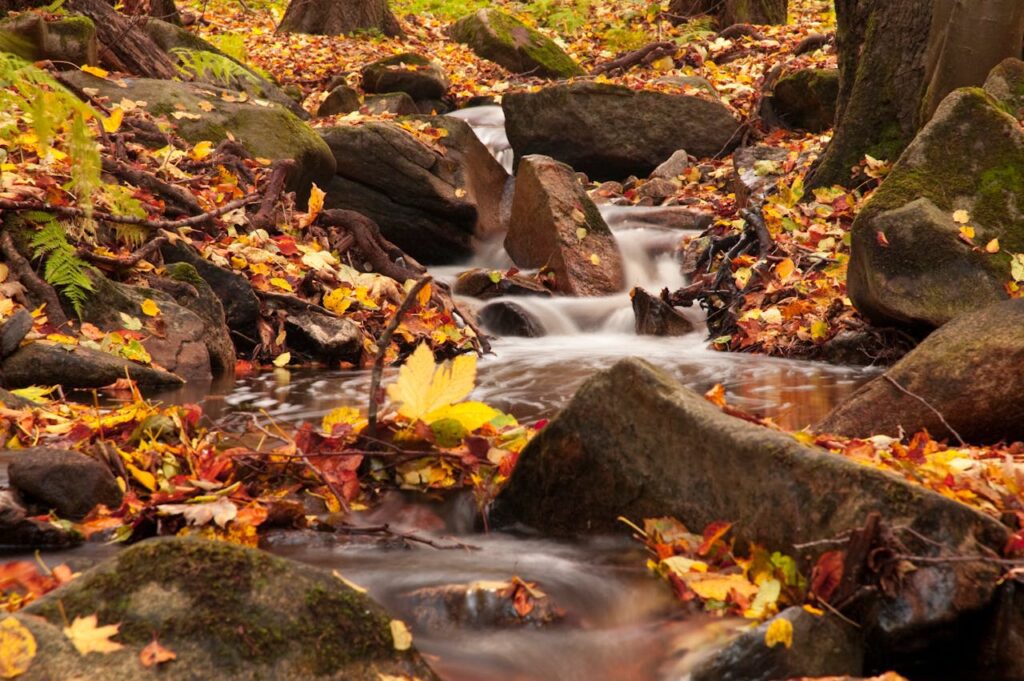
Find and Collect Water in the Wilderness
In the wilderness, the quest for water becomes a vital mission and this article will help you Find and Collect Water in the Wilderness.
Roaming through unknown terrains, your senses sharpen as you seek out the life-giving source.
The rustle of leaves, the subtle clues of wildlife, the distant gurgle of a hidden stream – all tantalizing hints leading you closer to sustenance.
But the journey doesn’t end with discovery; the real challenge lies in what comes next.
Stay tuned to unravel the secrets of turning nature’s offerings into a safe sip of survival.
Understanding Water Sources
Identify potential water sources by looking for signs such as vegetation or animal tracks near water sources.
In the wilderness, these indicators can lead you to sources of water that may not be immediately visible.
Keep an eye out for lush greenery, such as trees or plants that require more water to thrive.
Animals, especially birds and insects, tend to congregate near water sources, so tracks or signs of wildlife can guide you in the right direction.
Additionally, listen to the sound of flowing water, which can indicate a nearby stream or river.
Understanding the landscape and recognizing these subtle cues can greatly increase your chances of finding water in the wilderness.
Remember to approach any water source with caution and assess its safety before collecting or consuming.
By being observant and aware of your surroundings, you can effectively locate and utilize water sources to meet your hydration needs during outdoor adventures.
Identifying Safe Water Signs
When searching for safe water sources in the wilderness, pay attention to visual cues that indicate cleanliness and purity to help Find and Collect Water in the Wilderness.
Look for clear, flowing water as it’s less likely to be contaminated.
Avoid stagnant water, which can harbor bacteria and parasites.
Natural springs are often safe to drink from, but be cautious as they can still carry harmful pathogens.
Another good sign is the presence of vegetation like watercress, which typically grows in clean water.
Keep an eye out for animal tracks leading to water sources, as animals instinctively know where to find safe drinking water.
Additionally, if you come across water that smells strongly of chemicals or looks discolored, it’s best to steer clear.
Techniques for Water Collection
Consider using natural methods like rainwater harvesting or building a solar still to collect water in the wilderness efficiently.
Rainwater harvesting involves capturing rainwater in containers or using tarps to funnel water into a storage vessel.
This method is effective during rainy periods and can provide a sustainable water source.
Building a solar still is another useful technique.
By digging a hole, placing a container in the center, covering the hole with plastic wrap, and adding weight in the middle, you can collect water evaporated from vegetation or moist soil.
The condensation gathers on the plastic and drips into the container.
Remember to secure the edges of the plastic to prevent water from escaping.
These methods are practical and can help you obtain water when traditional sources are scarce.
Experiment with these techniques to see which works best in your surroundings and always prioritize safety and cleanliness when collecting water in the wilderness.
Purification Methods
Explore effective methods for purifying water in the wilderness to ensure it’s safe for consumption so you can Find and Collect Water in the Wilderness.
When in the wild, boiling water is one of the most reliable purification methods.
Simply bring the water to a rolling boil for at least one minute to kill off harmful bacteria and parasites.
Another effective method is chemical purification using water purification tablets or drops containing chlorine dioxide or iodine.
Follow the instructions on the product carefully for optimal results.
For a more long-term solution, consider investing in a portable water filter or purifier.
These devices can remove a wide range of contaminants, providing you with safe drinking water throughout your wilderness adventure.
UV water purifiers are also a convenient option, using ultraviolet light to destroy bacteria, viruses, and protozoa.
Hydration Tips
To stay properly hydrated in the wilderness, prioritize drinking water regularly throughout the day.
Dehydration can happen quickly in outdoor settings, especially when you’re active.
Remember to drink water even if you don’t feel thirsty, as thirst is a late indicator of dehydration.
A good rule of thumb is to drink at least 8 ounces of water every hour. Carry a reusable water bottle and sip from it frequently.
If you’re unsure about your hydration levels, check the color of your urine; a pale yellow color indicates proper hydration.
In addition to water, consider consuming foods with high water content like fruits and vegetables.
These can contribute to your overall fluid intake. Avoid alcohol and caffeine, which can dehydrate you.
Electrolyte-rich drinks can be beneficial if you’re sweating a lot due to physical exertion.
Monitor your hydration levels closely, especially in hot weather.
By staying mindful of your water intake and following these tips, you can enjoy your wilderness adventures safely and comfortably.
Remember, in the wilderness, finding and collecting water is vital for survival.
By understanding water sources, identifying safe signs, utilizing collection techniques, and prioritizing purification methods, you can ensure access to safe drinking water.
Stay hydrated, monitor your urine color, and be resourceful in your approach to water collection.
With these tips in mind, you can stay healthy and hydrated while navigating the wilderness.