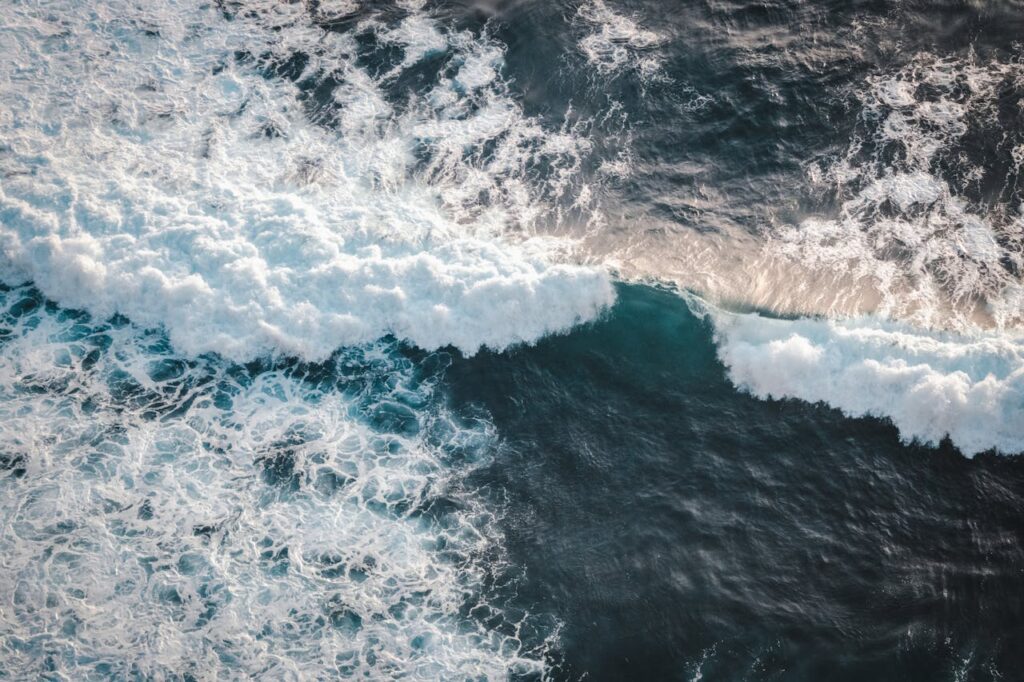
Be Careful of Currents
When you head out for water activities, it’s crucial to understand the currents you might encounter, so be careful of currents.
These powerful forces can turn a fun day into a dangerous situation in seconds.
You’ve probably seen signs warning about strong tides or swirling waves, but do you really know how to recognize them?
Knowing how to stay safe is essential, and there are specific strategies you can use to protect yourself.
Let’s explore what you need to know.
Understanding Different Types of Currents
While you might think all currents are the same, understanding the different types is crucial for safety and navigation.
There are generally three types of currents: tidal, river, and wind driven.
Tidal currents are influenced by the gravitational pull of the moon and sun, changing direction and speed with the tides.
River currents flow in a continuous stream, shaped by the riverbed’s topography and water volume.
Wind-driven currents occur when the wind pushes water across the surface, creating waves and ripples.
Each type can vary in strength and direction, impacting your boating or swimming experience.
By recognizing these differences, you can make better decisions, ensuring a safer and more enjoyable time on the water.
Always stay informed!
Identifying Dangerous Currents
How can you tell if the current around you are dangerous?
First, watch for signs of turbulence on the water’s surface.
If you see swirling or choppy waves, that current might be strong.
Also, pay attention to the color of the water; murky or dark water can indicate a powerful current.
If you notice debris moving quickly downstream, it’s a clear warning.
Check for sudden changes in water depth, which can create unpredictable currents.
Finally, listen for sounds; rushing water can signal danger.
Always be cautious in unfamiliar areas and trust your instincts.
If something feels off, it’s best to stay onshore or seek help.
Recognizing these signs can keep you safe while enjoying the water.
Tips for Staying Safe in Water
Staying safe in the water is essential, especially when you’re unsure about the currents.
Always check local conditions before heading out.
Swim with a buddy; it’s safer and more fun.
Make sure you know your limits—don’t push yourself too hard.
Wear a life jacket if you’re not a strong swimmer, and consider using one even if you are, particularly in unpredictable waters.
Stay close to shore and avoid swimming in areas with strong currents or waves.
Keep an eye on the weather; storms can change conditions rapidly.
Lastly, educate yourself about local wildlife and hazards.
Knowing what to expect can help you avoid dangerous situations.
Stay alert, and trust your instincts; if something feels off, it’s best to get out of the water.
What to Do If You Get Caught in a Current
Getting caught in a current can be alarming but knowing what to do can make all the difference.
First, stay calm and don’t panic. Instead of fighting the current, float on your back to conserve energy.
Use your arms and legs to steer yourself towards the shore at an angle.
This way, you’ll avoid being pulled further out.
If you’re unable to reach the shore, signal for help by waving your arms and shouting.
Remember to keep your head above water and breathe steadily.
If you see others nearby, try to swim towards them for support.
Once you’re out of the current, rest and recover before getting back in the water.
Always prioritize your safety and don’t hesitate to ask for assistance.
Educating Others About Water Safety
Why is it essential to educate others about water safety?
It’s crucial because knowledge can save lives.
By sharing information about potential dangers like currents, drowning risks, and safe swimming practices, you empower those around you to make informed decisions.
Start by teaching friends and family the basics, such as recognizing rip currents and understanding how to react if caught in one.
Use social media, community events, or local schools to spread awareness.
Remember, your efforts can create a ripple effect; when you educate one person, they can educate another.
Encourage everyone to take swimming lessons and promote the importance of supervision, especially for children.
Together, you can cultivate a culture of safety that reduces accidents and keeps everyone safe around water.
In conclusion, staying aware of currents is crucial for your safety during water activities.
By understanding different types of currents and recognizing their dangers, you can enjoy the water without risking your life.
Always swim with a buddy, wear a life jacket, and stay close to shore.
If you find yourself caught in a current, remember to stay calm and swim parallel to the shore.
Share this knowledge with others to help keep everyone safe in the water and all be careful of currents!