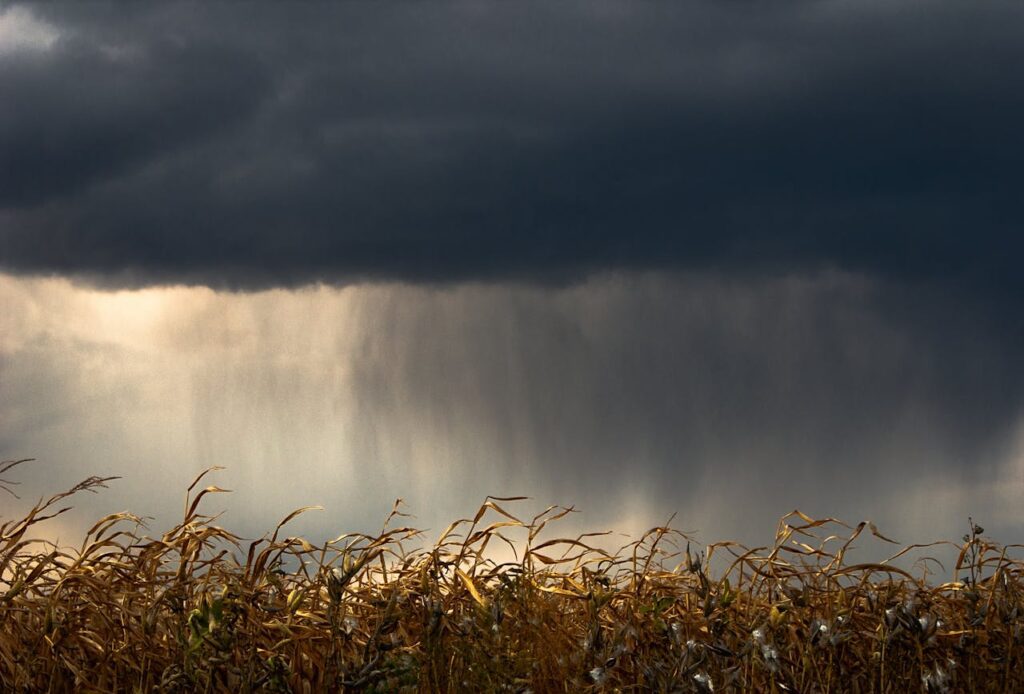
20 Inches of Rain Fall
You’ve likely heard about the recent event where 20 inches of rain fall in a matter of hours.
This unprecedented rainfall led to devastating flooding and significant disruptions in many communities.
As you think about the impact on infrastructure and health, consider how such extreme weather challenges our preparedness.
What does this mean for the future of our cities and lives?
The answers might surprise you.
The Science Behind Intense Rainfall
When you think about intense rainfall, it’s fascinating to realize that a mix of atmospheric conditions fuels these events.
Warm, moist air rises and cools, leading to condensation and cloud formation.
When the air’s temperature drops enough, water droplets combine and grow heavier.
Eventually, they fall as precipitation.
Factors like topography, wind patterns, and temperature differentials play crucial roles in determining rainfall intensity.
For instance, when air is forced to ascend over mountains, it cools rapidly, often resulting in heavy downpours.
Additionally, weather fronts can trigger sudden, intense rainfall as warm air meets cooler air.
Understanding these processes helps you appreciate the complexity of weather systems and the incredible power of nature.
Environmental Consequences of Heavy Rain
Heavy rain, especially when it totals 20 inches or more, can lead to significant environmental consequences.
You might notice soil erosion as the intense downpour washes away topsoil, making it difficult for plants to thrive.
This disruption can also lead to increased sediment in local waterways, harming aquatic life.
Flooding can overwhelm drainage systems, causing pollution from runoff to contaminate drinking water supplies.
Additionally, heavy rain can create ideal conditions for mold and mildew growth, impacting air quality in nearby homes.
Wildlife habitats may be altered or destroyed, forcing animals to relocate.
Overall, the ecosystem suffers as balanced interactions between species get disrupted, leading to long-term ecological effects.
It’s crucial to consider these consequences when heavy rain strikes.
Economic Impact on Affected Communities
Although communities often brace for the immediate effects of heavy rain, the economic repercussions can be just as devastating.
When flooding occurs, businesses often face closures, leading to lost revenue.
You might notice local shops struggling to recover from inventory damage, which can result in layoffs.
Agriculture takes a hit too; crops can be washed away, leaving farmers in dire situations.
Infrastructure damage also adds strain, with repair costs diverting funds from essential services.
You may see increased insurance premiums as companies reassess risk levels.
Additionally, tourism could plummet, impacting hotels and restaurants reliant on seasonal visitors.
Social Disruptions and Community Resilience
As communities grapple with the aftermath of significant rainfall, social disruptions often emerge, impacting daily life and relationships.
You might notice an increase in stress levels, as people struggle with damaged homes and limited resources.
Neighbors may distance themselves due to anxiety or loss, which can strain social ties.
However, resilience becomes a vital force.
You’ll see community members banding together, organizing support networks and resource-sharing initiatives.
Local leaders often step up, fostering collaboration among residents to rebuild both infrastructure and trust.
This collective effort can strengthen bonds and create a renewed sense of purpose.
Embracing shared experiences, you’ll find that communities can emerge stronger, demonstrating the power of unity in overcoming adversity.
Preparing for Future Extreme Weather Events
While communities recover from recent rainfall, preparing for future extreme weather events becomes essential.
Start by assessing your property for vulnerabilities, check drainage systems and secure structures against flooding.
Create an emergency plan that includes evacuation routes and communication methods.
Stock up on essential supplies like food, water, and medical kits to sustain your household for several days.
Stay informed about local weather forecasts and alerts to act quickly when necessary.
Consider investing in flood insurance to protect your assets.
Participate in community preparedness initiatives to share resources and knowledge with neighbors.
By taking these proactive steps, you’ll enhance your resilience and minimize the impact of extreme weather on your life and community.
Don’t wait—start preparing today!
As you reflect on this extraordinary weather event, it’s clear that intense rainfall can have devastating effects on communities.
The floods not only damage property but also threaten public health and safety.
By understanding the science behind these events and recognizing their environmental and economic impacts, you can take action to prepare for future challenges.
Together, we can build resilience and ensure that our communities are ready to face whatever Mother Nature throws our way.