Car Washes and Water Shortages
When you wash your car, have you ever considered how much water you’re using with car washes and water shortages?
Traditional methods can waste up to 100 gallons per wash, straining local supplies, especially in drought-prone areas.
This excess not only affects availability but also contributes to pollution through runoff.
As water scarcity looms, it’s crucial to explore alternatives.
What if there were smarter ways to keep your vehicle clean without compromising this vital resource?
Let’s look into those options.
The Environmental Impact of Traditional Car Washing
When you wash your car at home, you mightn’t realize the environmental toll it takes.
Traditional car washing uses a significant amount of water—up to 100 gallons per wash.
This excess water can strain local water supplies, especially during droughts.
Additionally, the soap and chemicals you rinse off often flow into storm drains, contaminating rivers and lakes with pollutants.
Wildlife suffers from these toxins, disrupting ecosystems and harming aquatic life.
Moreover, the runoff can carry dirt and debris, leading to sediment buildup in waterways.
By washing your car at home, you’re contributing to water shortages and environmental degradation, often without even knowing it.
Understanding this impact can help you make more eco-friendly choices in the future.
Water-Saving Alternatives for Car Cleaning
As water shortages become more pressing, exploring water-saving alternatives for car cleaning is essential.
You can start using waterless car wash products, which contain special polymers that lift dirt without the need for water.
Another option is to use microfiber cloths, which effectively trap dust and grime while minimizing scratches.
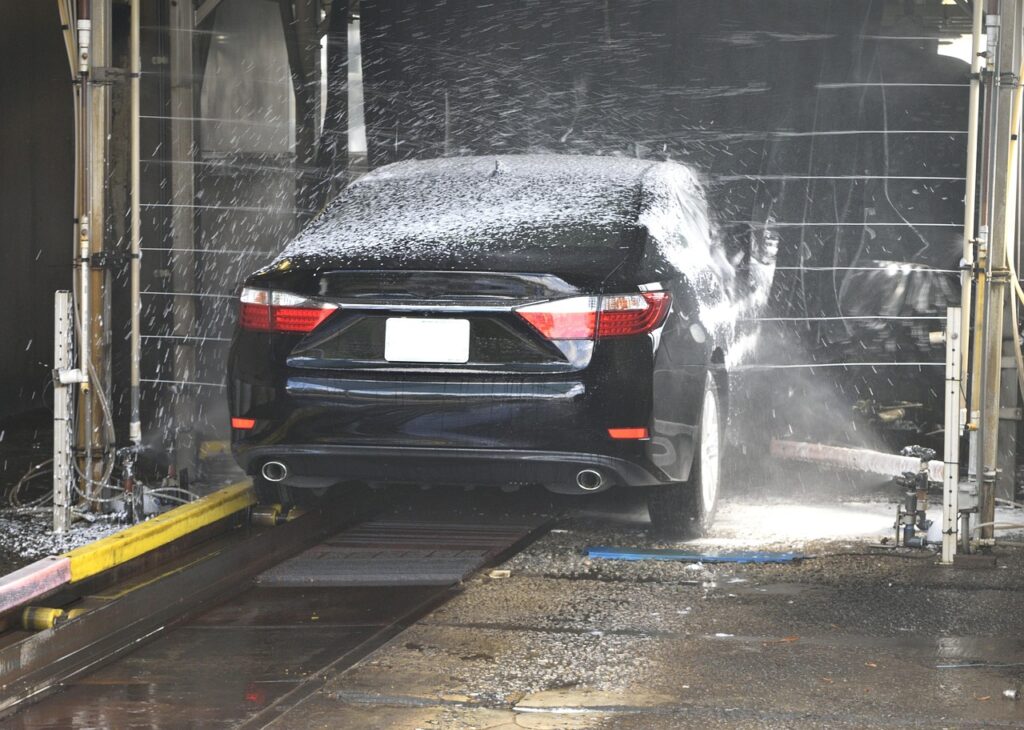
If you prefer a traditional wash, consider visiting a car wash that recycles water; they often use less water than home washing.
You might also try rinseless wash solutions, where you simply wipe the car down with a mixture that requires minimal water.
These alternatives not only conserve water but also keep your car looking great without harming the environment.
Choose the method that fits your needs and helps protect our water resources.
How to Choose Professional Waterless Car Wash Services
How can you ensure you’re choosing the best professional waterless car wash service?
Start by researching local options; check online reviews and ratings.
Look for companies that specialize in waterless techniques and have a solid reputation for quality.
Ask about the products they use; eco-friendly solutions are a plus.
Next, inquire about their experience and training; skilled technicians can make a significant difference.
Don’t hesitate to request before-and-after photos to gauge their work quality.
Lastly, compare pricing, but remember that the cheapest option isn’t always the best.
Trustworthy services often provide a balance between quality and affordability.
Tips for Responsible Car Washing in a Drought
Finding a waterless car wash service can be a great way to keep your vehicle clean while conserving water.
If you choose to wash your car at home, consider using a bucket instead of a hose to minimize water usage.
Use eco-friendly cleaning products that require less water and are safe for the environment.
Washing your car on grass or gravel can help absorb runoff and prevent water waste.
Also, try to wash your car during cooler times of the day to avoid evaporation.
Lastly, consider skipping washes when it’s not necessary; sometimes, a little dirt can wait.
Water Use in Car Washing: Facts and Figures
While you mightn’t realize it, car washing can consume a surprising amount of water, with traditional methods using anywhere from 40 to 100 gallons per wash.
This hefty usage adds up quickly, especially in areas facing water shortages.
In contrast, a waterless wash can use as little as 1 to 2 gallons, making it a more sustainable choice.
Professional car washes often use specialized systems that recycle water, reducing overall consumption significantly.
On average, these facilities can wash about 15 cars with just one gallon of water per vehicle.
In light of growing water shortages, it’s crucial to rethink how you wash your car.
Traditional methods can waste a lot of water and harm the environment.
By opting for water-saving alternatives or choosing professional services that recycle water, you can do your part in conserving this essential resource.
Remember, every small change makes a difference to help with Car Washes and Water Shortages.
So next time your car needs a wash, consider a more sustainable approach for both your vehicle and the planet.